Beijing Travel Guide 2026: 5 One-Day Itineraries, Tickets & Autumn
Five one-day Beijing itineraries that fit together — imperial axis, autumn foliage, ginkgo lanes, the Great Wall, hutongs — with timetables, ticket prices and booking rules.
🌏 North China
🗓️ Suggested: 3–5 days
Show this to your driver
Beijing does not perform for you.
The incense keeps burning at its own pace in the Lama Temple, the men in the hutong keep their chess game going, a guard’s whistle tells you where to stand — and then the city goes back to what it was doing. You are let in, not shown around. Standing in the central courtyard of the Forbidden City on a clear October morning, the feeling that lands is not “I have arrived somewhere exotic” but “I have walked into something that was here long before me, and will keep going after I fly home.” Six hundred years of other people’s mornings, still in use. That is the feeling this site is named for — not what you see in Beijing, but what Beijing does to you while you stand there.
Most Beijing guides hand you a list of sights and leave you to work out the days yourself. This one does the opposite: five one-day routes that fit together without overlapping, each with the metro line, the ticket to book, the gate you walk in through, and an hour-by-hour plan you can adjust when the queue is longer than expected.
The routes are built around late October and early November, when Beijing is at its best — red leaves on the Western Hills, ginkgo avenues turning gold, and the kind of clear blue sky the city only gets in autumn. Every stop works year-round, but the timetables assume you are here for the foliage.
Jump to: When to go · Airport to city · How many days · Route 1 · Route 2 · Route 3 · Route 4 · Route 5 · Tickets · Booking · Daily costs · Language · What we skip
The Palace Museum sells out a week ahead in autumn, and Great Wall tickets are real-name only. Do your bookings the moment your dates are fixed — the ticket table lists every venue, price and booking channel in one place.
When to go: October and November
Autumn is the season Beijing does best. The summer heat breaks in September, the air dries out, and by mid-October you can walk all day without breaking a sweat. It is also the busiest stretch of the year outside the National Day holiday, so a little timing discipline goes a long way.
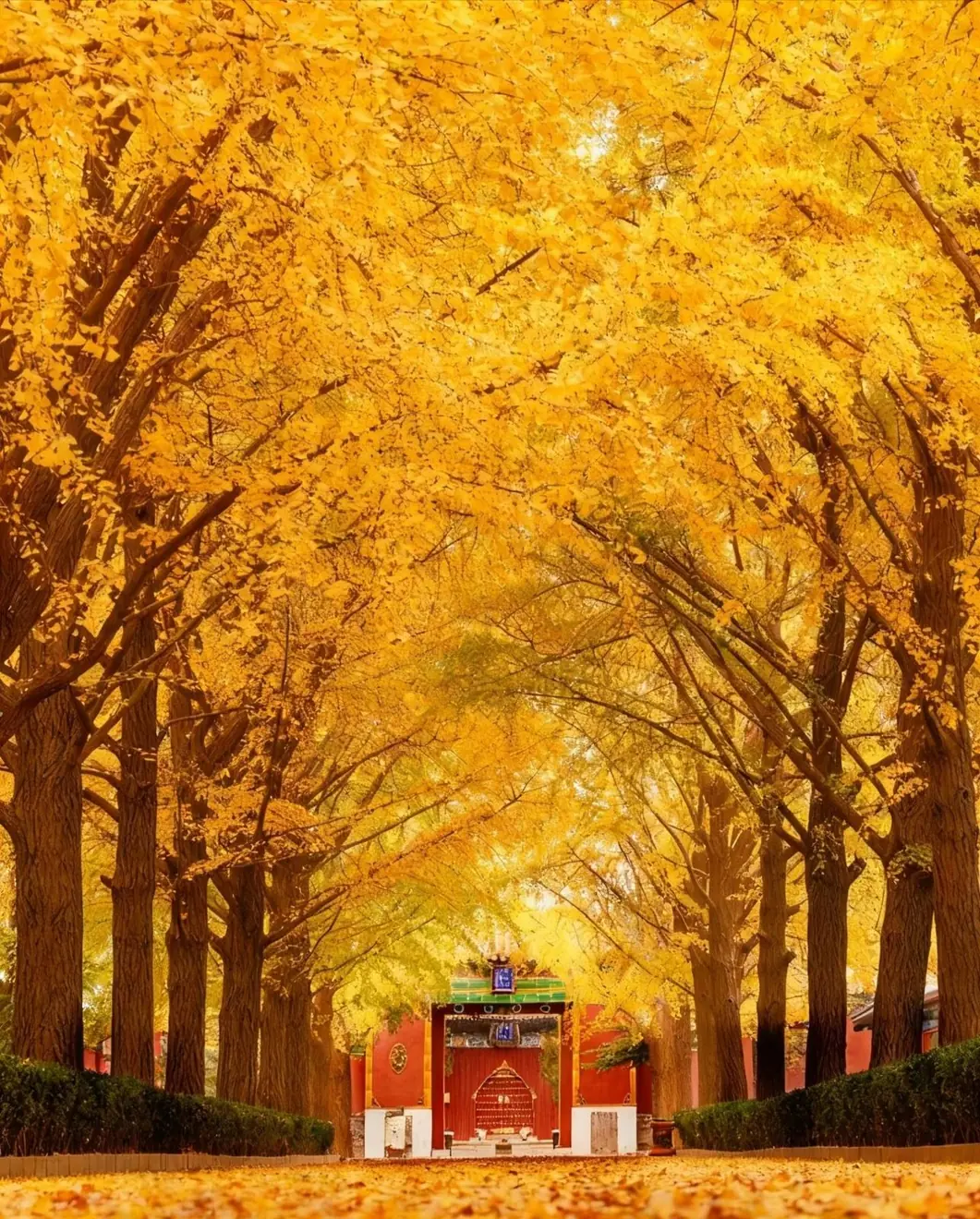
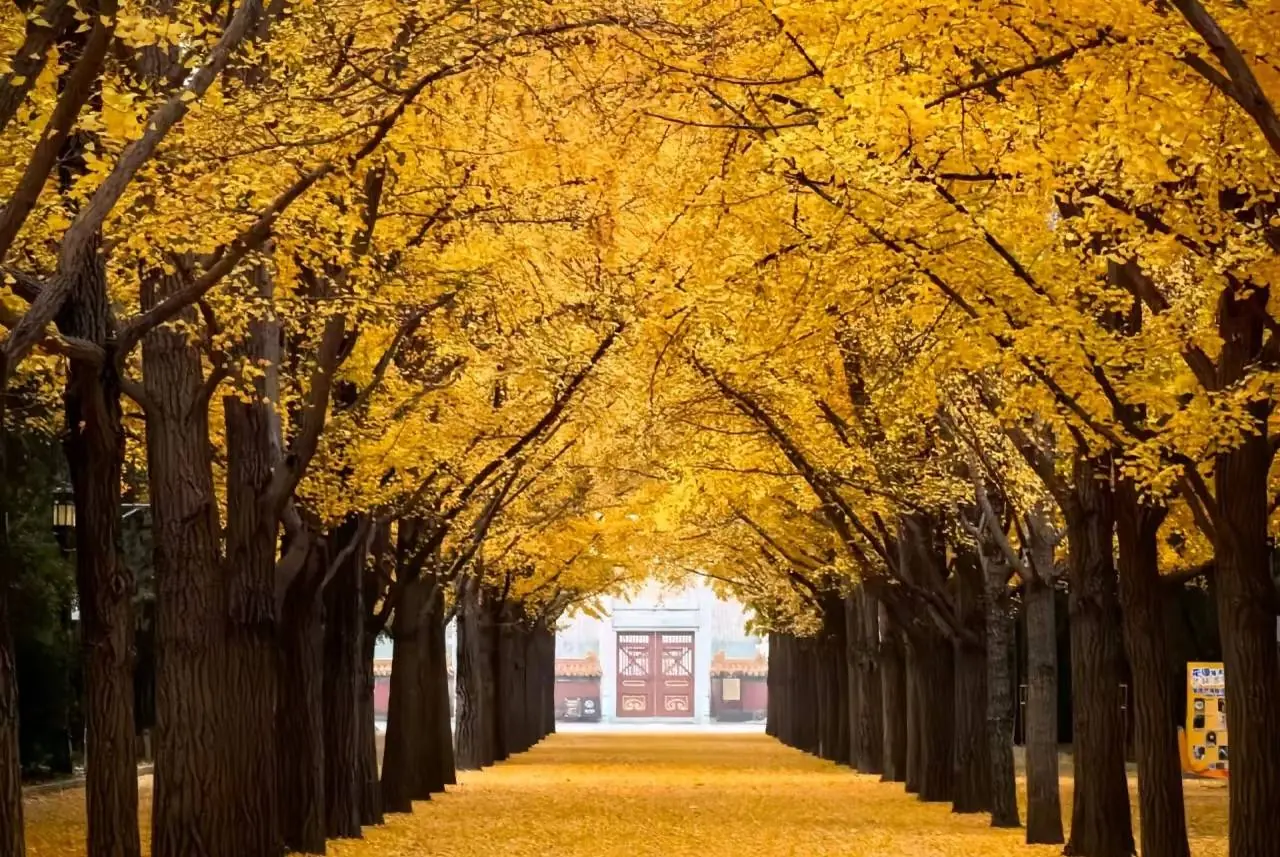
Two different trees drive the season. Fragrant Hills (香山) is the red-leaf pilgrimage — smoke trees turning the whole ridge copper. Ditan (地坛公园) and the other city parks are the ginkgo ones, where two rows of ancient trees close overhead into a gold tunnel.
Both run on weather, not the calendar. Peak colour can land a week early or a week late, and one windy night can end it. Check local updates a few days out instead of booking strictly around a date.
What it feels like: October days sit around 19–20°C with nights near 8°C, and November drops to 10–11°C by day with the nights close to freezing. Clear skies are the norm; the wind is what makes the Great Wall feel colder than the numbers suggest.
| Period | What’s turning | Crowds | What to do about it |
|---|---|---|---|
| Early–mid October | First colour appearing in the hills | Heavy — Golden Week | Avoid 1–7 October if you can |
| Late October | Fragrant Hills red leaves; imperial gardens at their peak | Busy at weekends | Do the big foliage spots on weekdays |
| Late Oct–early Nov | Ginkgo goes gold at Ditan and the city parks | Packed at photo spots | Arrive early, before 9am |
| Mid–late November | Late autumn; most hotspots past peak | Quieter, but it varies | Warmer layers, more hutongs and museums |
China's National Day holiday runs 1–7 October. Trains, hotels and every major sight are at their worst, and Great Wall shuttle buses queue for hours. If your dates are flexible, come after the 7th — and pick weekdays for Fragrant Hills and Ditan.
Getting from the airport to the city
Beijing has two airports — Capital (PEK, 首都机场) in the northeast and Daxing (PKX, 大兴机场) far to the south. Both connect to the city by rail, and both are straightforward once your phone works. Sort out data and payment before you leave the terminal; everything after that gets easier.
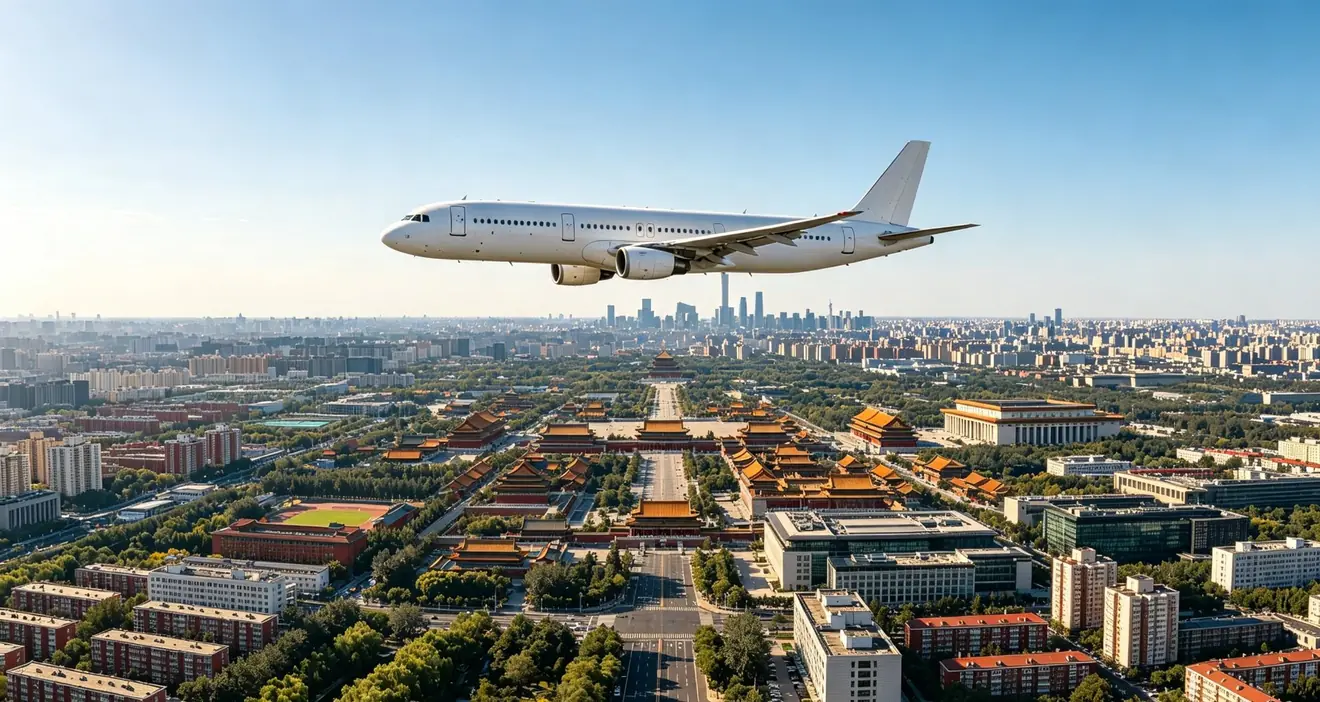
Three things happen after you land, in this order:
- Immigration and customs. Passport and your hotel address in Chinese, ready on your phone. If you have goods to declare, follow China Customs’ current rules — most travellers have nothing to declare.
- After baggage claim. Get your phone online — an eSIM bought before you fly or an airport SIM — draw a little cash if you want it, and use the airport Wi-Fi to finish setting up. The full walkthrough is in our arrival guide.
- Choose how to get into town. Airport Express, subway, airport bus or DiDi — it depends on your hotel, your arrival time, your luggage and your budget.
Distances below use Dongcheng (东城区) as the reference point, since that is where most first-timers stay. If your hotel is in Sanlitun, Guomao or out by the Olympic Park, the numbers shift. Wherever you book, stay near a metro station — it is the single biggest quality-of-life decision in Beijing.
| Airport | Mode | Route and time | Rough cost |
|---|---|---|---|
| Capital (PEK) | Airport Express | T2 / T3 → Dongzhimen (东直门), ~30 min on the train, plus your onward hop | ¥25 (≈$3.5), onward transport extra |
| Capital (PEK) | Subway | T2 / T3 → Airport Express → Dongzhimen or Sanyuanqiao → transfer towards your hotel | Charged by distance |
| Capital (PEK) | DiDi | T2 / T3 → Dongcheng hotel, 40–60 min, longer in traffic | ¥100–130 (≈$14–18) |
| Daxing (PKX) | Daxing Airport Line + subway | Airport → Caoqiao (草桥) → Line 10 / 1 / 2 to Dongzhimen | Line ¥35 (≈$4.9), subway extra |
| Daxing (PKX) | Intercity rail | Daxing Airport → Beijing West (北京西站) on the Beijing–Xiong’an line, then transfer | Fare and times on 12306 |
| Daxing (PKX) | DiDi | Airport → Dongcheng hotel, 60–90 min, longer in traffic | ¥150–220 (≈$21–31) |
Ride-hailing means DiDi (滴滴) — the local equivalent of Uber, English interface, foreign cards accepted once set up. How to call one, and where the pickup points are, is covered in taxis and ride apps.
How to plan your Beijing itinerary
Each route is a full day, and the timings are honest estimates rather than promises. Reservations, queues, weather and your own pace will all move them. It is better to drop a stop than to sprint between them — Beijing rewards slowness, especially in the hutongs.
There is one rule that saves whole trips: check Monday closures before you lock in a day. The city’s headline sights do not all follow the same schedule.
| Closed on Mondays (except public holidays) | Open on Mondays |
|---|---|
| Palace Museum, Lama Temple, Confucius Temple & Imperial College Museum, Botanical Garden conservatory | Jingshan, Beihai, Ditan, Olympic Forest Park, Bird’s Nest and Water Cube exteriors, Mutianyu, Badaling, the hutong districts |
How many days you need. Three is the minimum that still feels like a holiday; five is where the city starts to feel familiar. Here is how the five routes stack up against the time you have:
| You have | Run these | Skip | Why |
|---|---|---|---|
| 3 days | Route 1, Route 4, Route 3 | West Hills, hutongs | Palace, wall and the ginkgo run — the three things people come for |
| 4 days | Route 1, Route 4, Route 2, Route 5 | Route 3 | Swaps the Olympic Park for the best foliage day |
| 5 days | All five | — | One route a day, hutong day last as a wind-down |
Order matters more than you think. Put the Great Wall in the middle of the trip, not on day one — nobody climbs four kilometres of steps happily after a long flight. Book the Palace Museum for your first full day, because it is the ticket most likely to sell out, and keep the hutong day last so a cancelled booking or a wet morning has somewhere soft to land.
Route 1: Forbidden City, Jingshan and Beihai in one day
One straight line north through the middle of the old city — palace, hill, lake, all within walking distance of each other. This is the easiest big-hitting day in Beijing, and the one to book first, because the Palace Museum ticket is the hardest to get.
Forbidden City (故宫博物院)
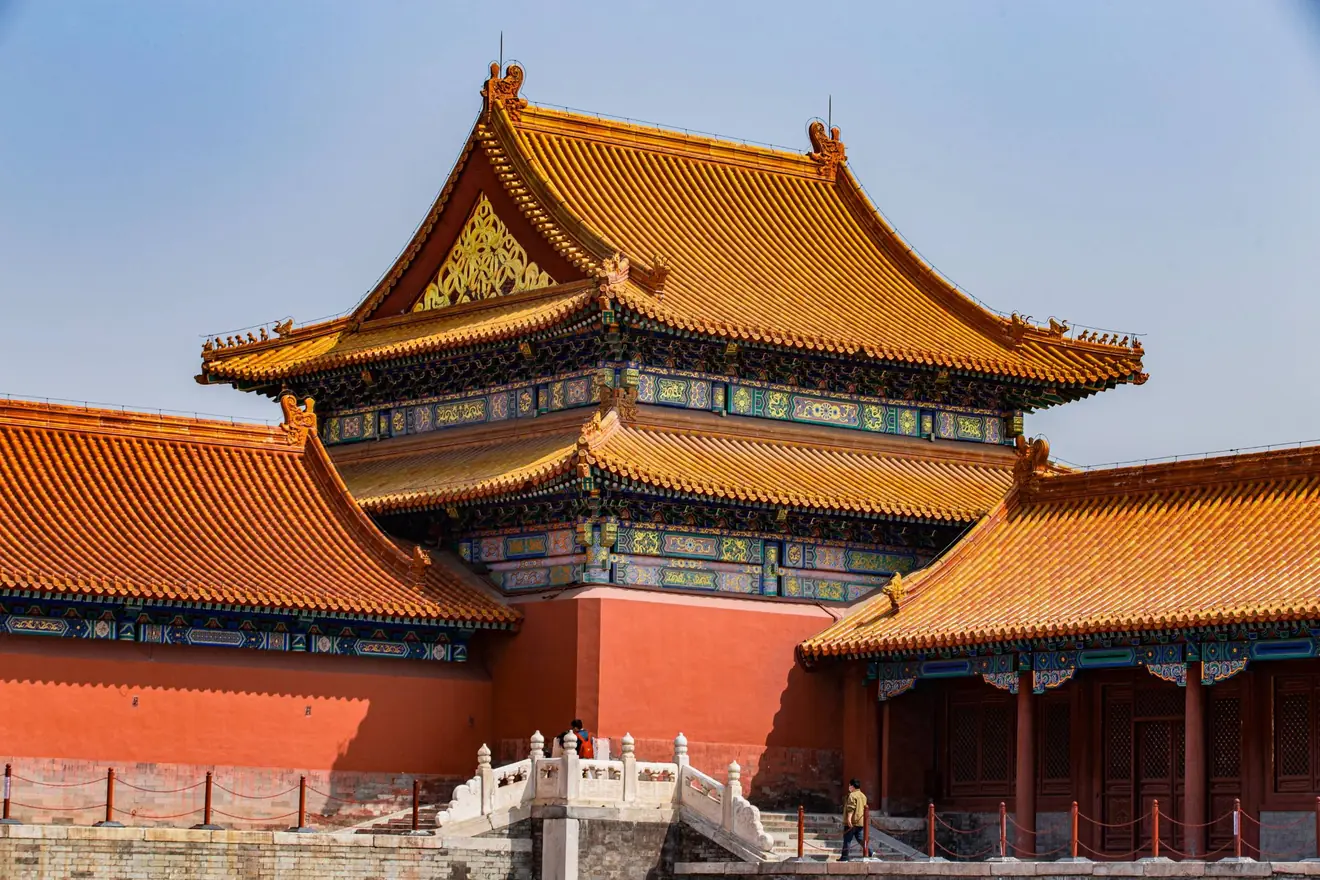
Step through the Meridian Gate (午门) and six hundred years of imperial silence closes behind you: vermilion walls, glazed gold roofs, and in autumn a sky that makes both of them look freshly painted. Walk the central axis from the Hall of Supreme Harmony (太和殿) north to the imperial garden, and the scale of the place does the talking.
Enter at the Meridian Gate, leave at the Gate of Divine Prowess (神武门). Give it half a day minimum.
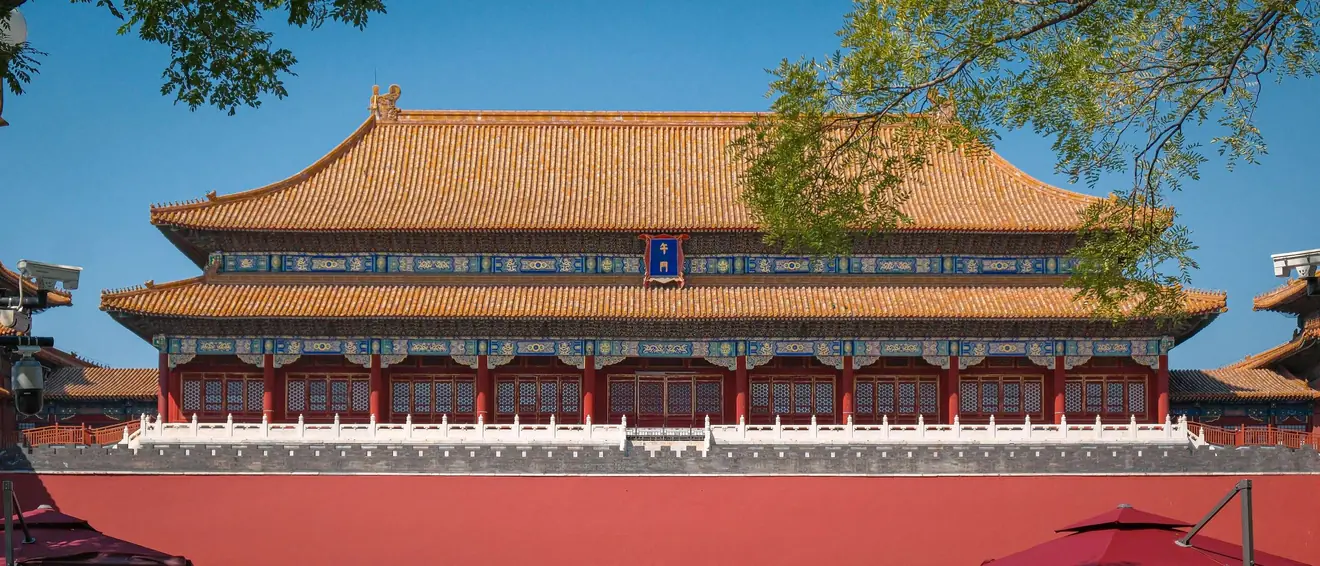
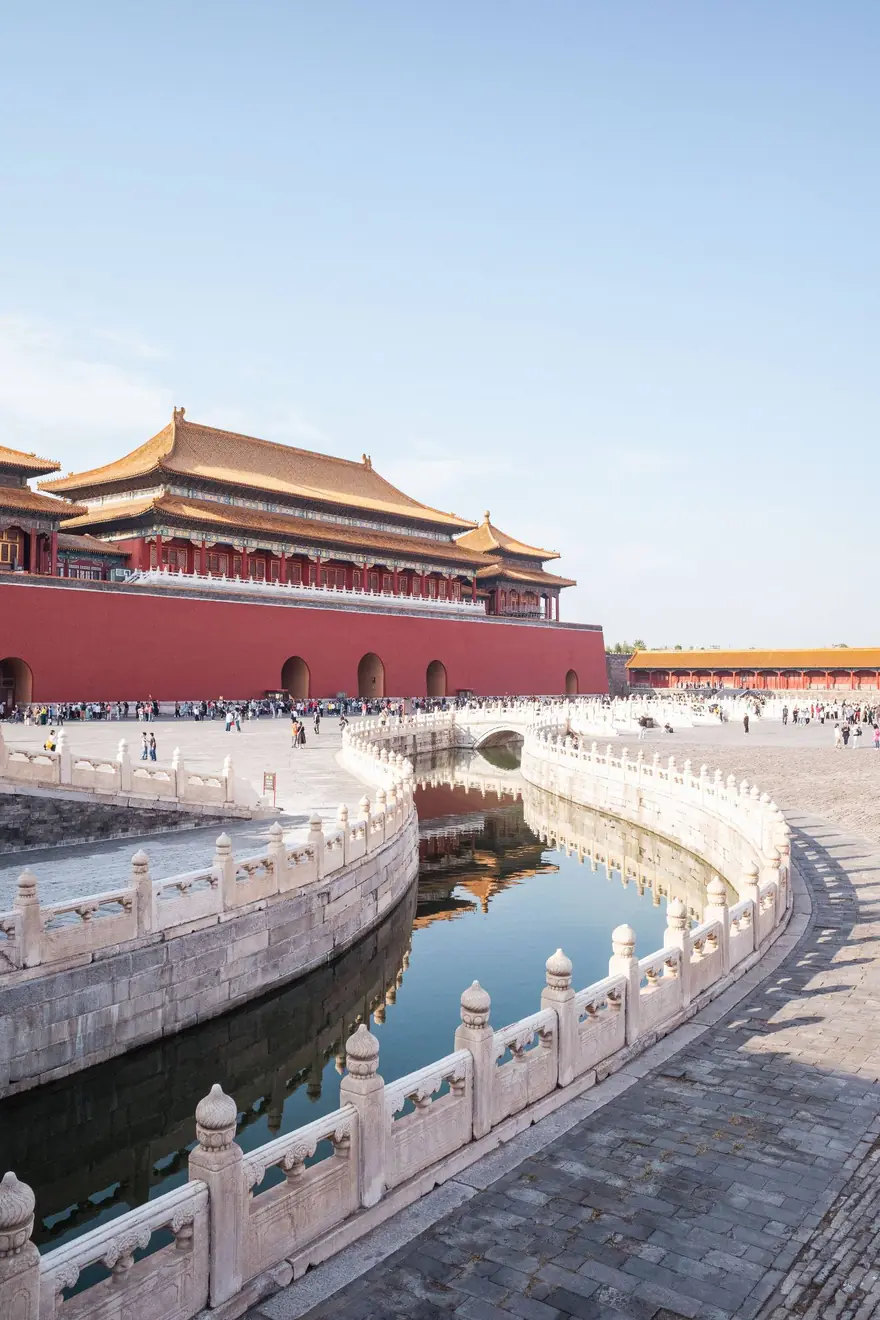
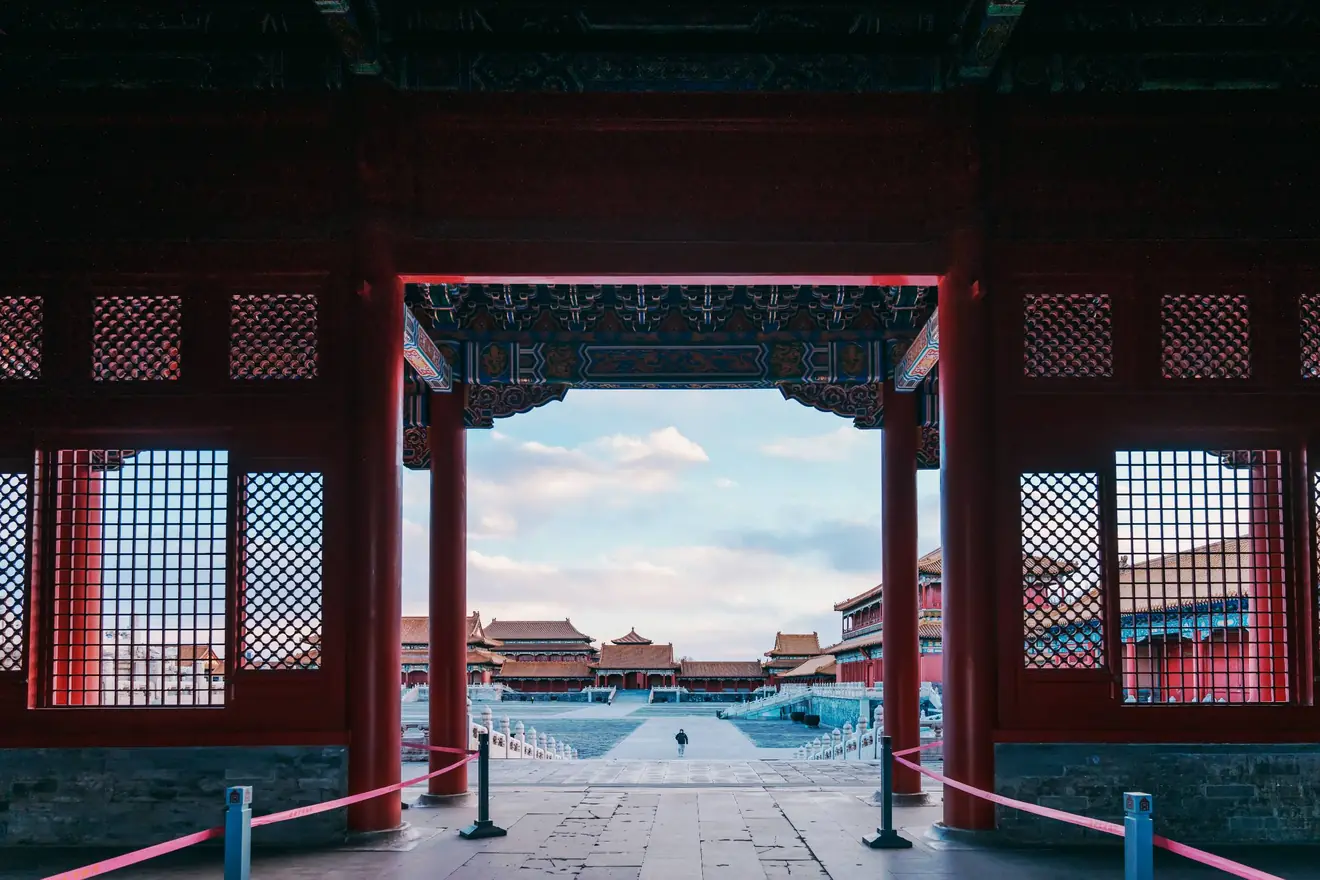
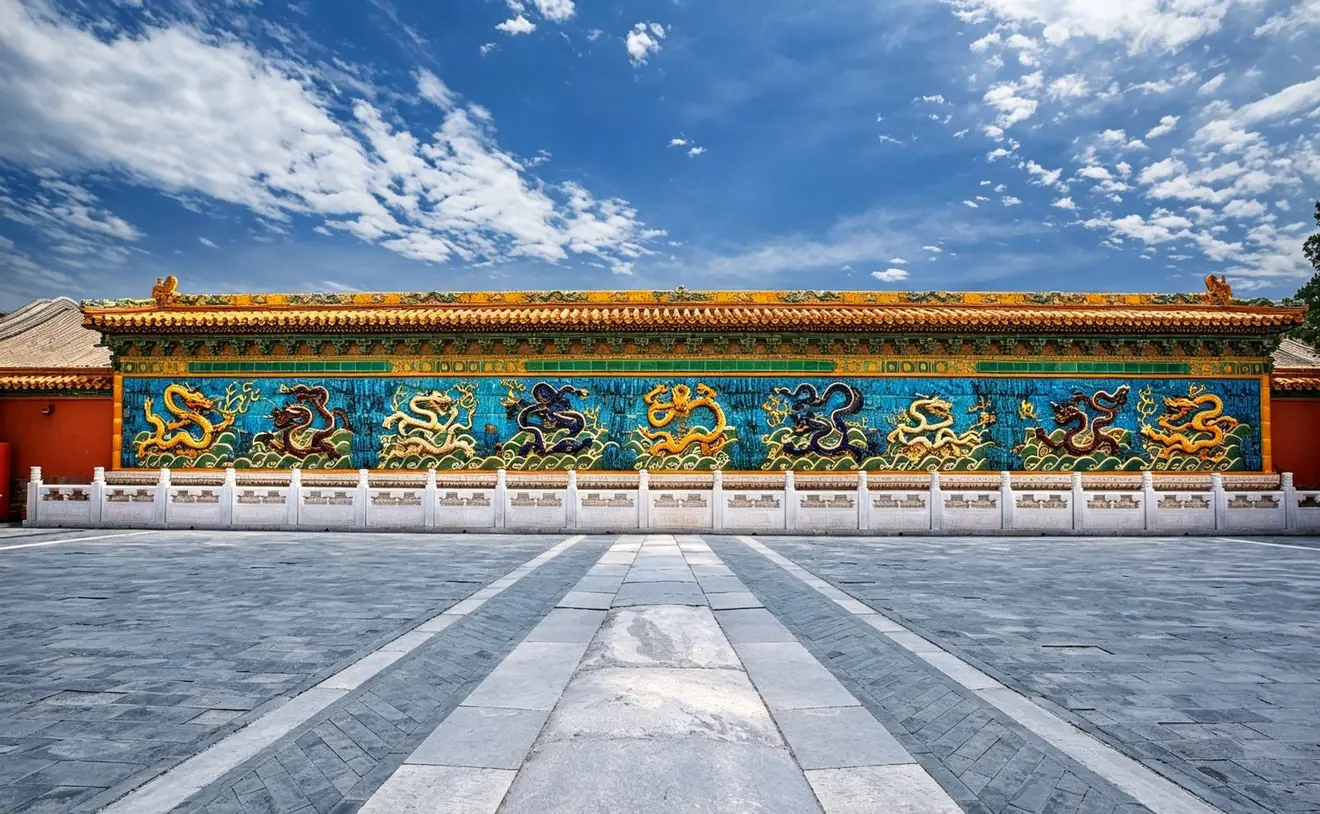
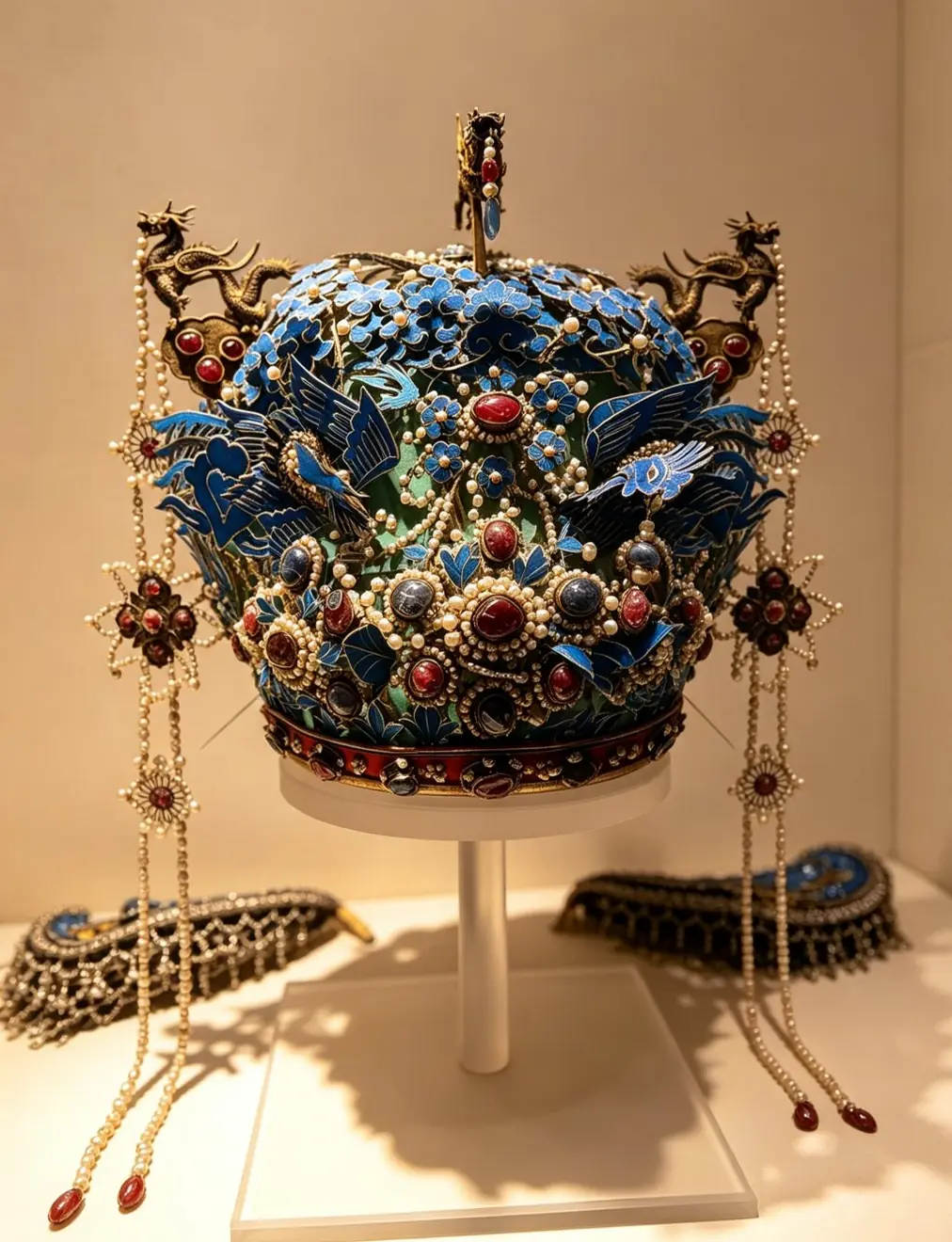
The Treasure Gallery is worth the extra ¥10. The Nine-Dragon Screen (九龙壁), the kingfisher-feather phoenix crown and the gold, silver and jade pieces are the best objects in the palace. Keep it to an hour, though — the main halls still need your legs.
- Meridian Gate — security check and passport scan
- Inner Golden Water Bridge and the Gate of Supreme Harmony
- The three great outer halls: Supreme Harmony → Central Harmony → Preserving Harmony, heading north
- The inner court: Gate of Heavenly Purity → Palace of Heavenly Purity → Hall of Union → Palace of Earthly Tranquility
- Treasure Gallery (extra ¥10, keep to 60 minutes)
- Imperial Garden, then out through the Gate of Divine Prowess — Jingshan is directly across the street
Energy to spare? Detour through the Eastern or Western Six Palaces. Add about 40 minutes for the Clock Gallery.
Jingshan Park (景山公园)
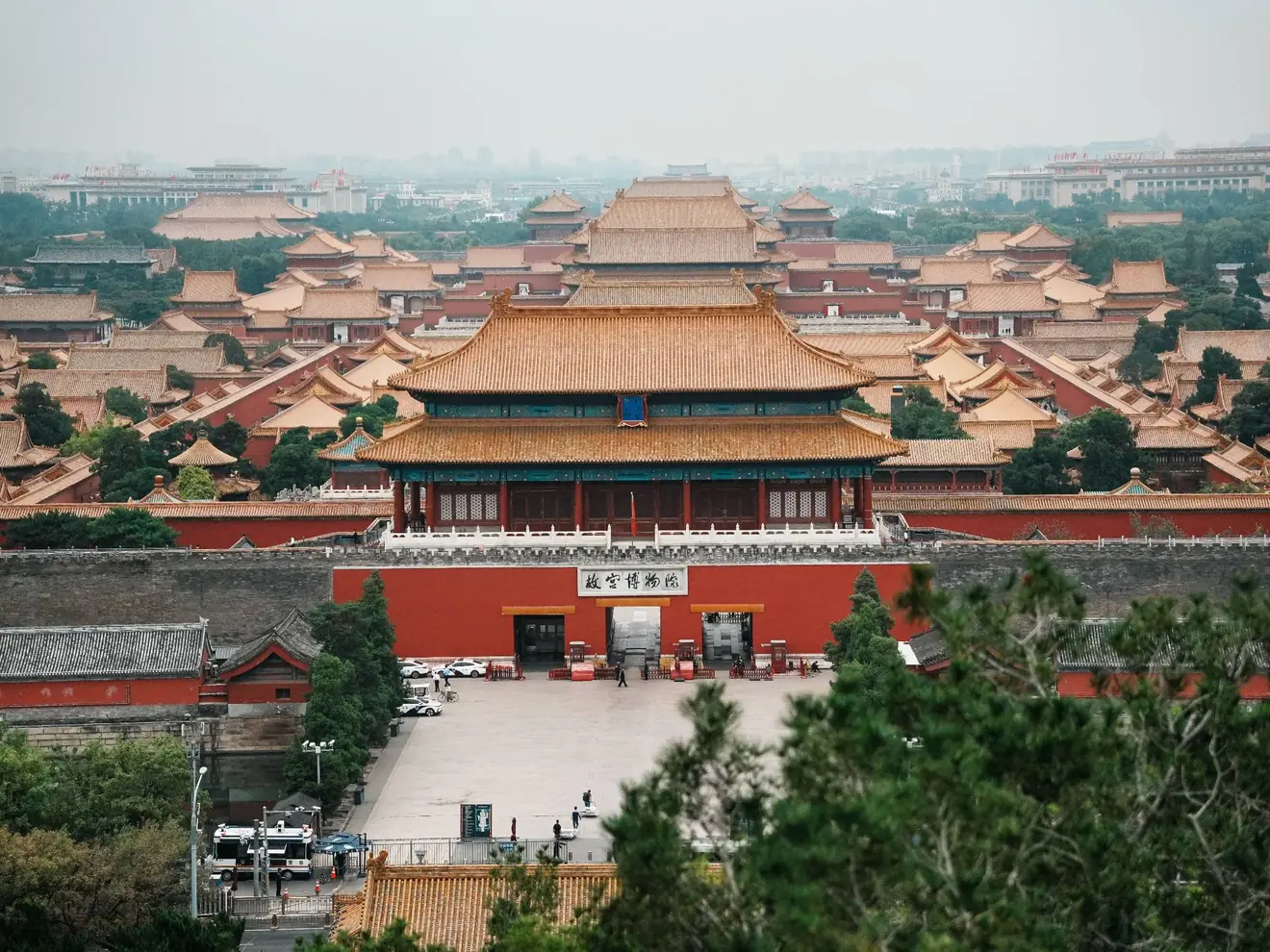
Cross the street from the north gate and climb the hill the emperors built to protect the palace from the north wind. It takes ten minutes to reach the Wanchun Pavilion (万春亭) at the top, and from there the entire Forbidden City lies below you — a sea of red walls and gold roofs with the central axis running straight through it.
This is the best seat in Beijing for understanding the city’s layout, and in autumn the wind up there is worth the climb on its own.
Beihai Park (北海公园)
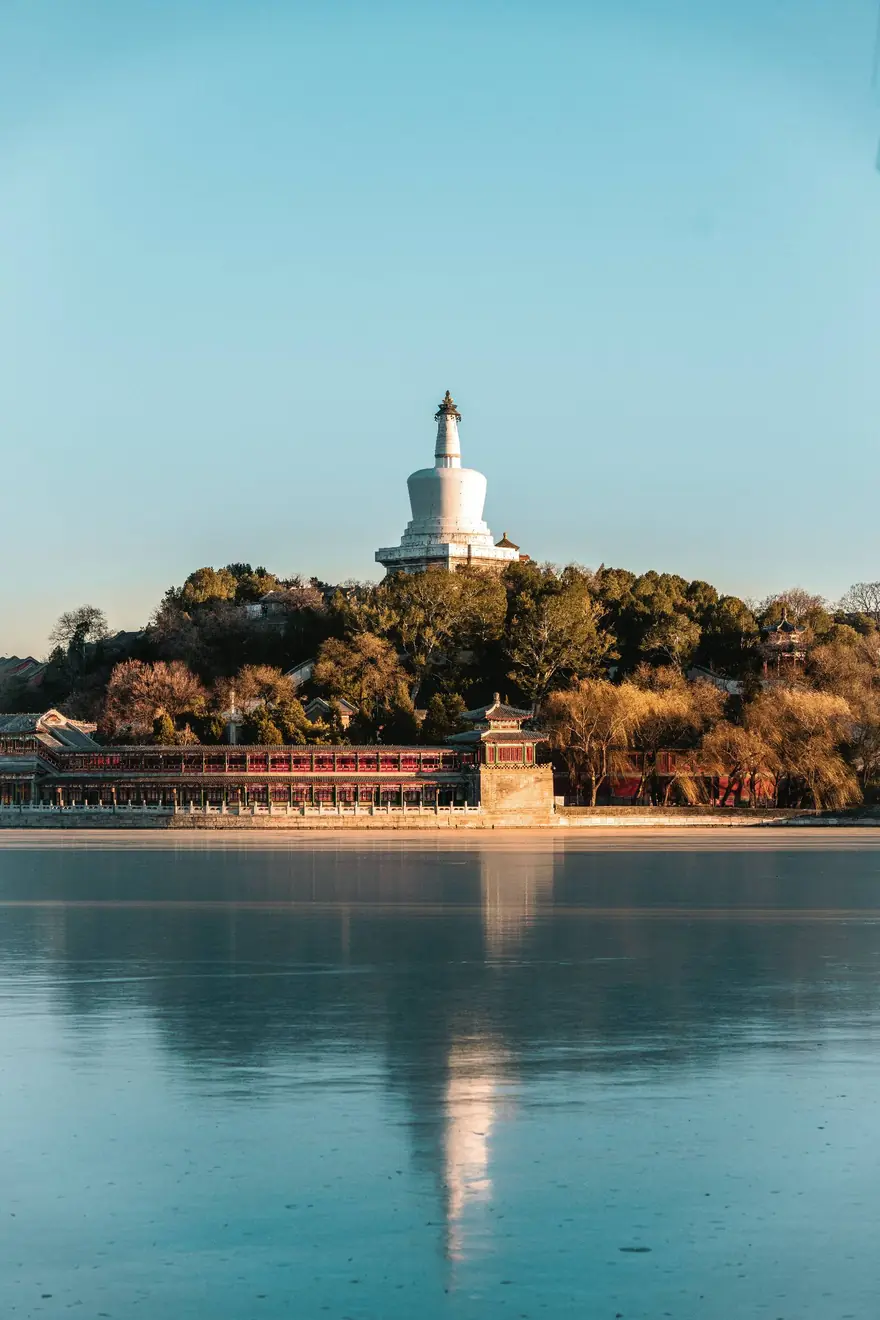
Beihai sits right next to the palace but feels like a different world. The White Dagoba (白塔) on Qionghua Island reflected in still autumn water is the moment most people remember from this day — and the park is big enough to walk slowly, past red walls, yellowing trees and old pavilions, without ever feeling hurried.
It was the emperors’ private garden. Behave accordingly: no schedule, no queue, just the lake.
| Time | Plan | Duration |
|---|---|---|
| 08:30 | Palace Museum, doors open (go straight in; include the Treasure Gallery) | 3.5–4h |
| 12:00 | Lunch outside the north gate or nearby | ~1h |
| 13:00 | Walk to Jingshan — north gate to south gate is about 200m | 3–5 min |
| 13:10 | Jingshan Park, climb to Wanchun Pavilion | 1–1.5h |
| 14:40 | Walk to Beihai — Jingshan west gate to Beihai south gate, about 700m | ~10 min |
| 14:50 | Beihai Park: White Dagoba, Qionghua Island, Nine-Dragon Screen | 1.5–2h |
| 16:30 | Done — dinner in the hutongs or back to the hotel | — |
The Palace Museum is closed on Mondays (except public holidays) and it is the anchor of the day. Jingshan and Beihai stay open — only their inner heritage courtyards close — but without the palace the route loses its point. Total for the day: 8–9 hours including queues, lunch and walking.
Route 2: West Hills — Botanical Garden and Fragrant Hills
Out past the Fifth Ring, where the city gives way to ridges. You start among flower fields and end on a mountain top, and the colour comes at you in layers the whole way. It is the longest day on this list and the most weather-dependent — go on a clear forecast or not at all.
Botanical Garden, North Garden (国家植物园北园)
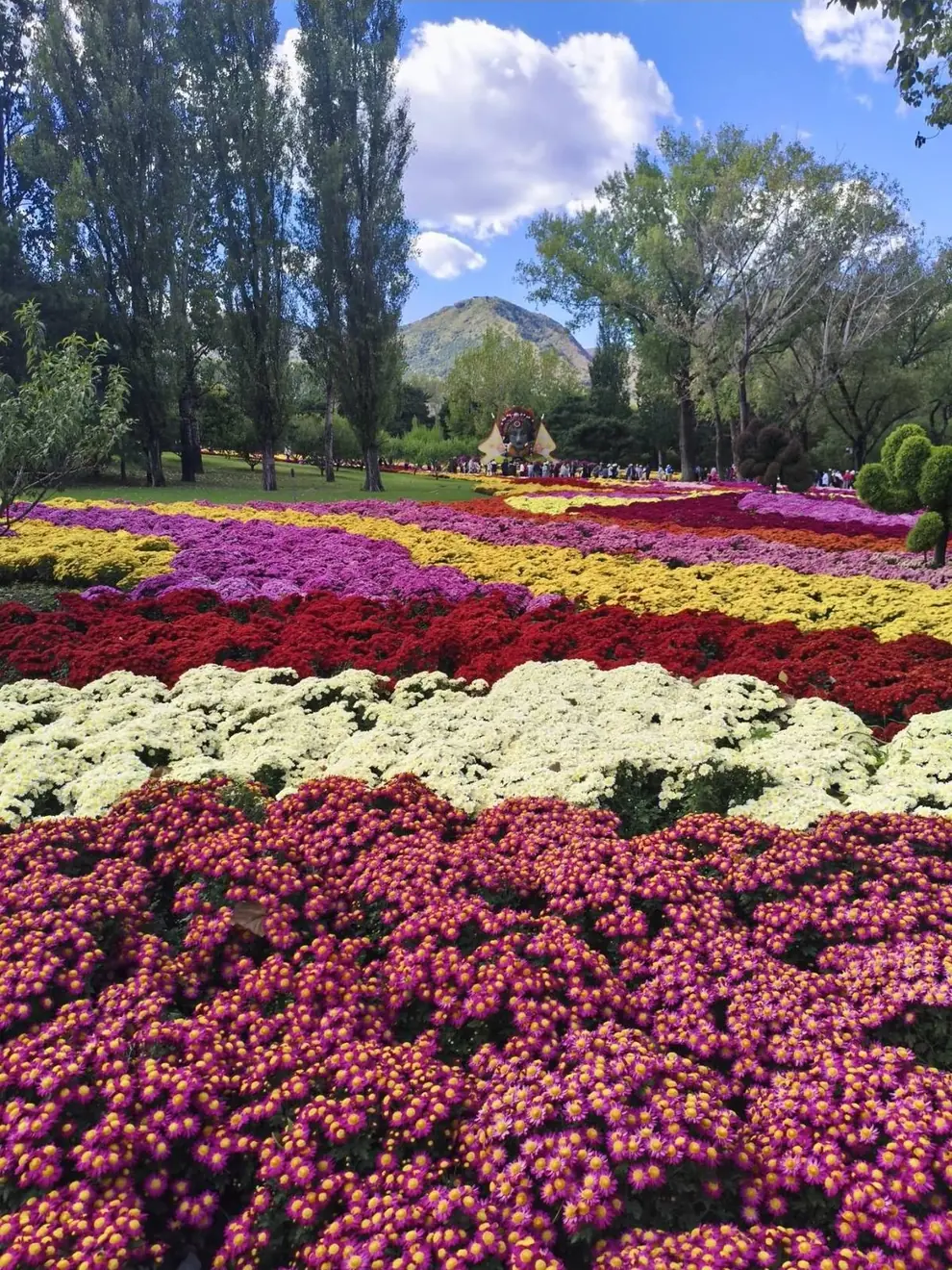
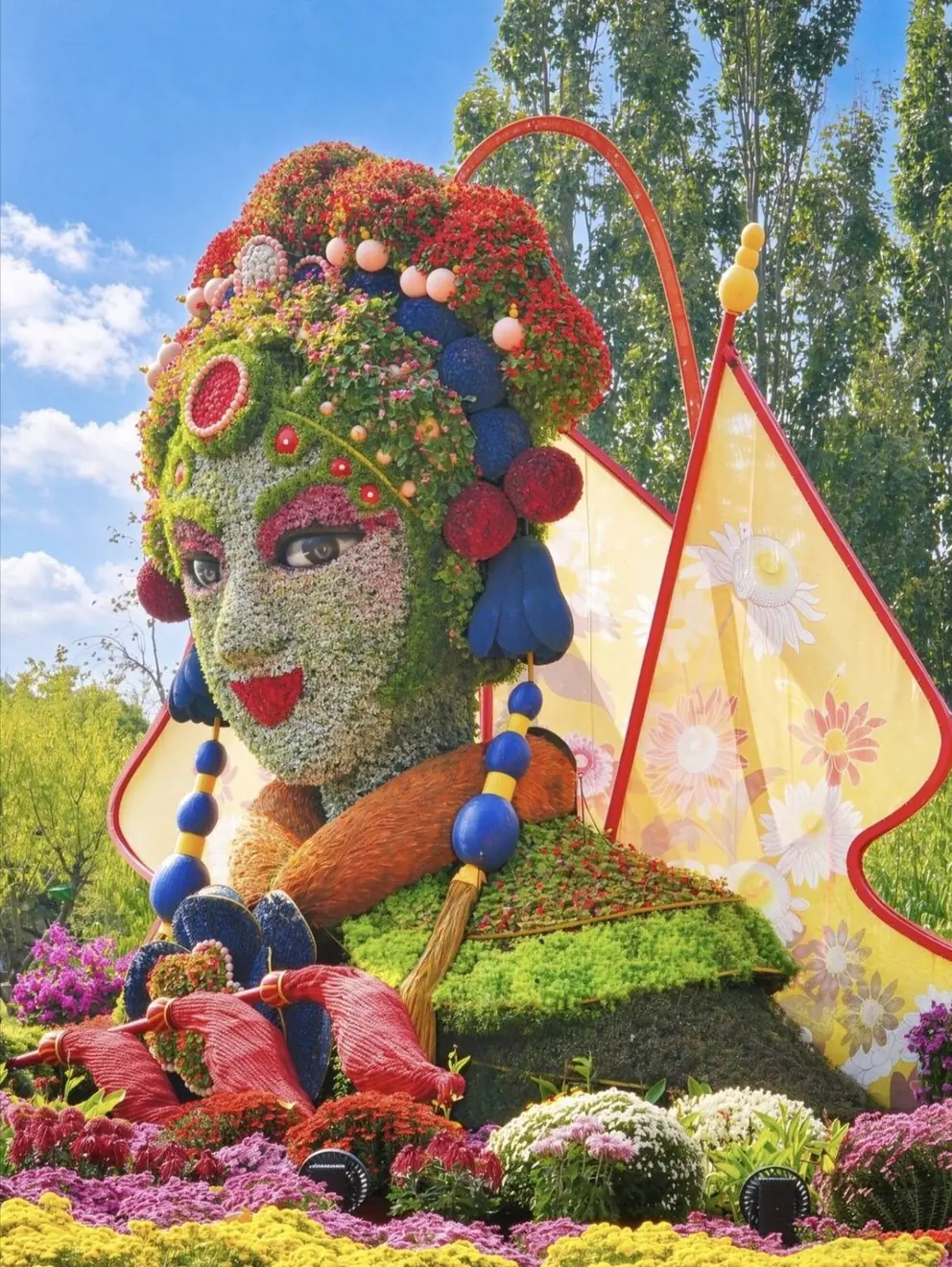
Beijing’s most underrated autumn stop. Rows of chrysanthemums run down the slope in ribbons of red, orange, gold and violet, ancient ginkgos drop gold in the corners, and the conservatory holds a permanent collection of things that flower whenever they like. There are no crowds here, only light and gardens — the right place to slow your pace to a crawl.
Fragrant Hills (香山公园)
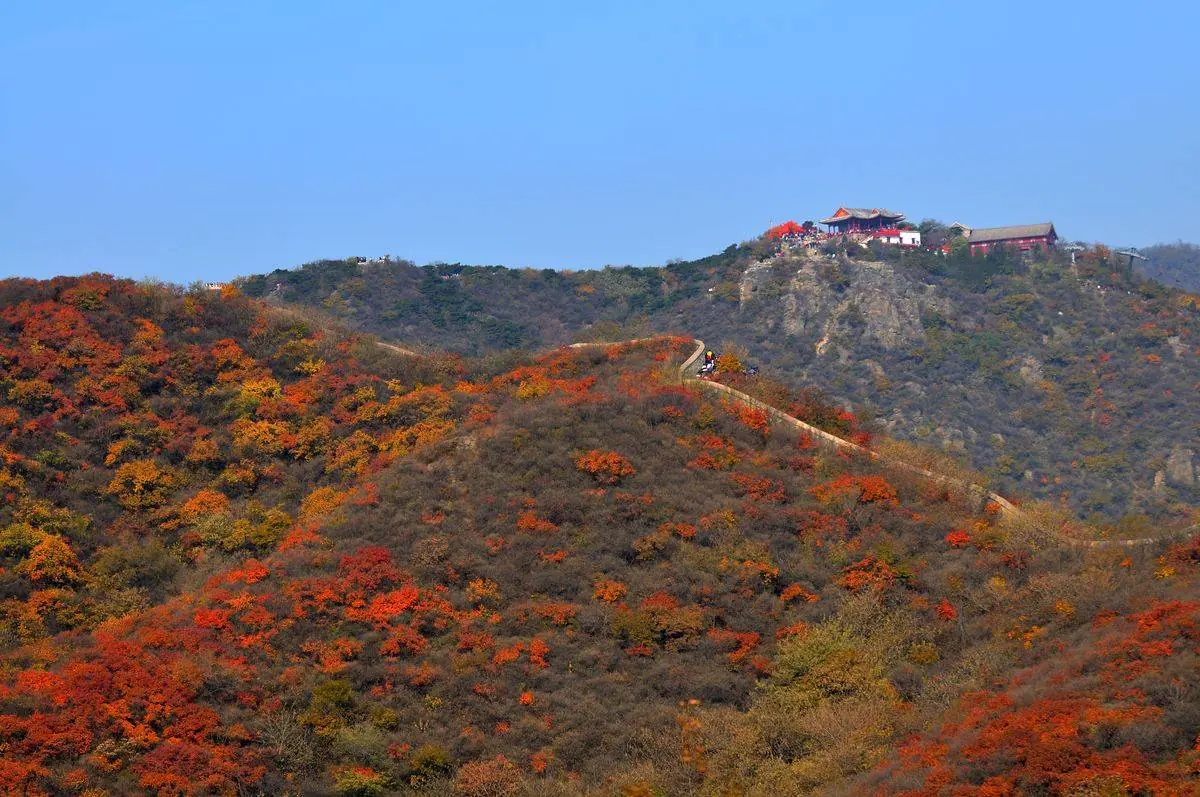
By late autumn the whole mountain is on fire. Smoke trees (黄栌) turn from green through orange to a deep copper red, ridge after ridge, and the cable car lifts you over it with the city falling away behind. It gets busy — this is where Beijing goes to see autumn — but stand on Xianglu Peak (香炉峰) with the wind coming up the slope and you understand why they come back every year.
| Time | Plan | Duration |
|---|---|---|
| 08:00 | City → Botanical Garden North. Metro + Xijiao Line (recommended): Line 10 to Bagou (巴沟), change to the Xijiao Line, get off at Botanical Garden station, Exit A. Xijiao Line ¥3–4, metro ¥5–7 | 60–75 min |
| 08:00 | Or DiDi: 25–30 km, ¥90–130 (≈$12–18), longer in foliage season | 50–80 min |
| 09:15 | Botanical Garden North — chrysanthemum show, autumn beds (conservatory closed Mondays) | 2–3h |
| 12:00 | Lunch in or near the garden | ~1h |
| 13:00 | Garden → Fragrant Hills. Xijiao Line: Botanical Garden → Fragrant Hills, one stop, ~3 min, ¥3, then 600m / 10 min on foot to the gate | 15–20 min |
| 13:00 | Or DiDi: about 3 km, 15 min, ¥15–25 | — |
| 13:20 | Fragrant Hills — cable car up, walk the ridges, Xianglu Peak | 3–4h |
| 16:30 | Back to town. Xijiao Line: Fragrant Hills → Bagou (~32 min, ¥3–4), then Line 10 (¥5–7) | ~70 min |
| 16:30 | Or DiDi: about 28 km, ¥100–130 (≈$14–18), longer with traffic | 50 min+ |
Xijiao Line (西郊线), Bagou ⇄ Fragrant Hills — full fare ¥4, about 32 minutes end to end, trains every ~10 minutes at peak and every ~5 minutes in foliage season.
| Station | First train | Last train |
|---|---|---|
| Bagou (巴沟) | 05:25 | 22:30 |
| Botanical Garden (国家植物园) | ~06:03 | ~23:03 |
| Fragrant Hills (香山) | 06:00 | 23:00 |
The conservatory and other indoor venues at the Botanical Garden close on Mondays (except public holidays); Fragrant Hills stays open. If Monday is your only option, do the garden's outdoor beds and skip the glasshouses. Total for the day: 9–10 hours.
Route 3: Lama Temple, Ditan and the Olympic Park in one day
Incense and temple bells in the morning, a gold tunnel at midday, then the Olympic Park at dusk — the past and the present of Beijing in a single day, joined by one metro line.
Lama Temple (雍和宫)
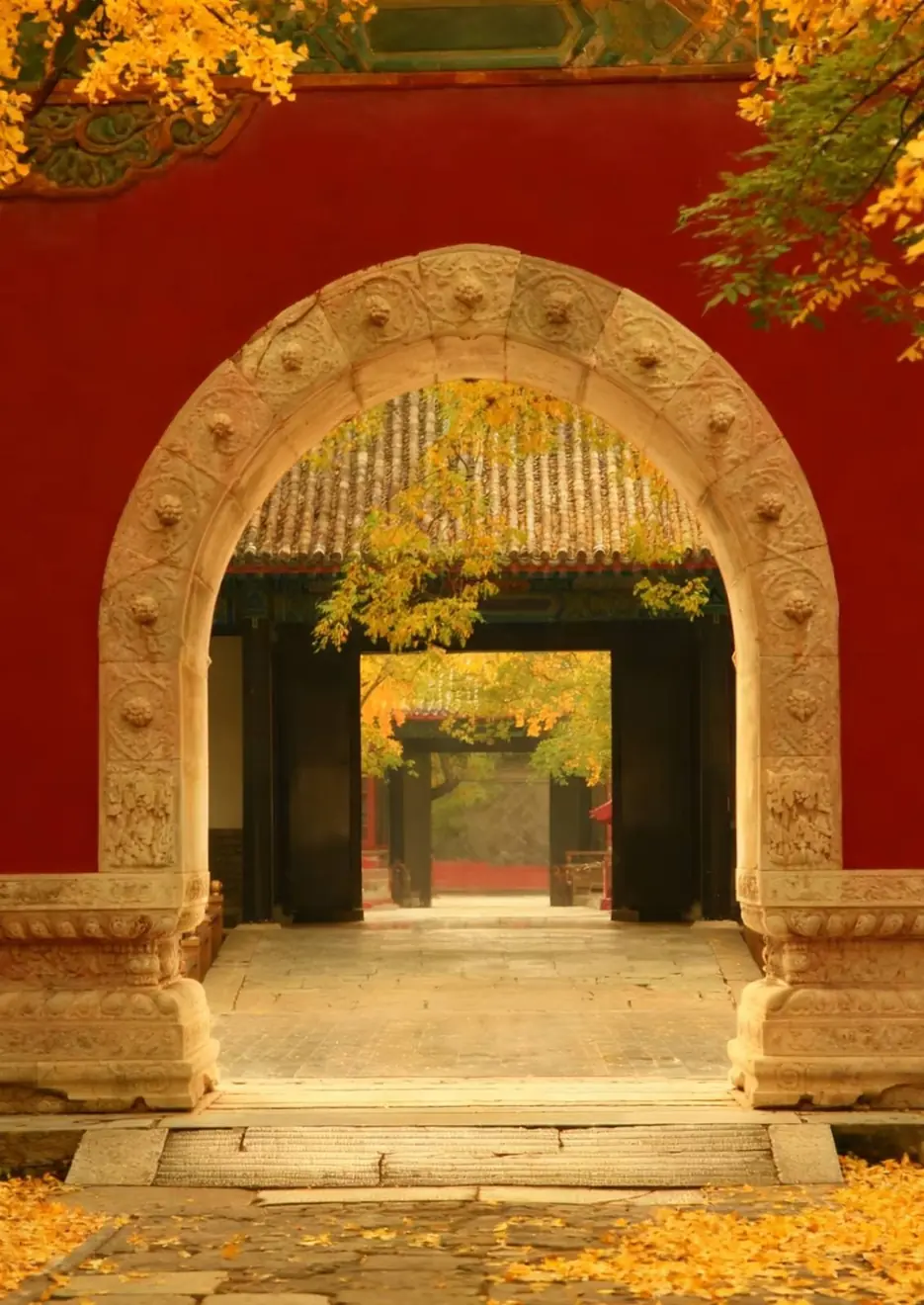
Tibetan Buddhism has been burning incense here for three hundred years. Between the red walls and gold roofs the air is thick with sandalwood and butter lamps, and the devotion in the courtyards is more moving than any caption board. Come early — the temple is quiet before 10am.
Afterwards, duck into Wudaoying (五道营), the hutong just west of the temple, for coffee. One hour of quiet, one hour of noise, and the day is balanced.
Ditan Park (地坛公园)
This is the autumn ritual Beijing keeps for itself. Two rows of ancient ginkgos close into a gold tunnel, sunlight comes through in pieces, and the path underfoot is loud with dry leaves. There is nothing to tick off: an old altar, a city, and the two getting along quietly.
Olympic Forest Park (奥林匹克森林公园)
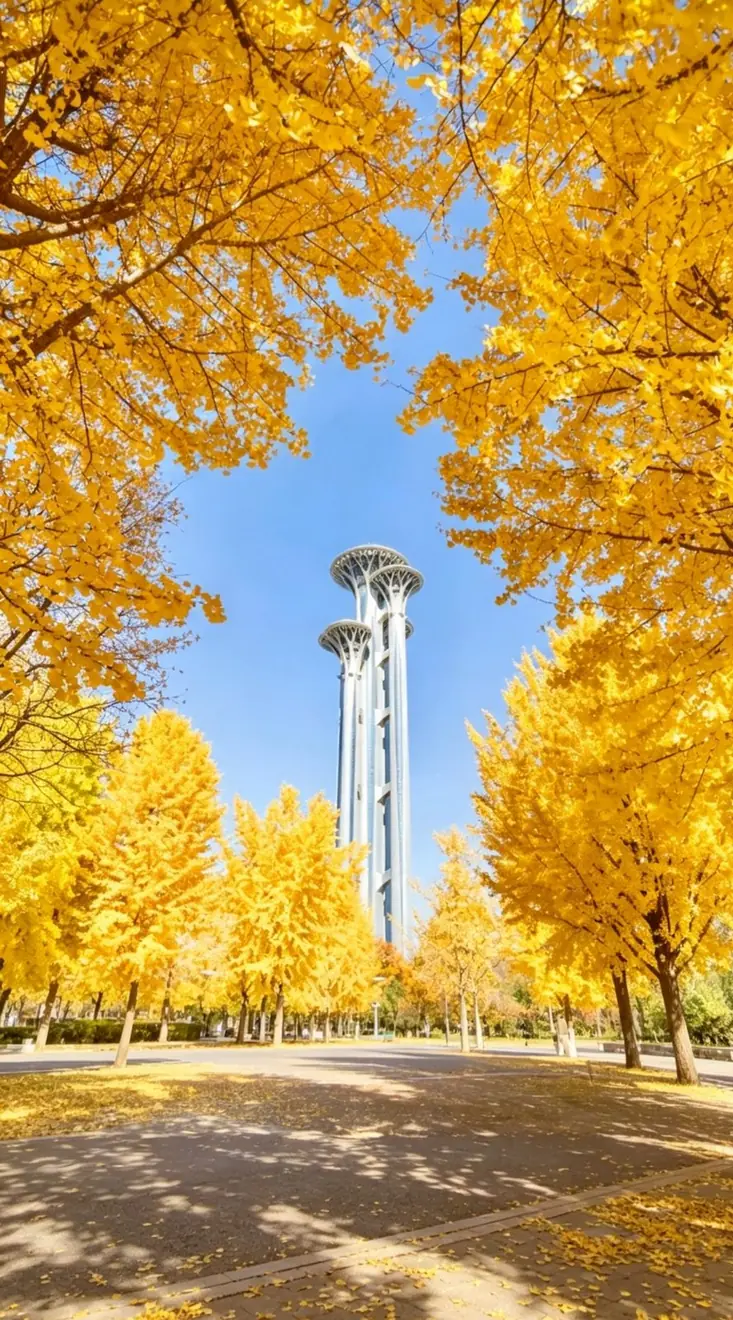
If you need to breathe after all that culture, this is the city’s lung. Ginkgo lines the paths, the Olympic Tower’s rings break the skyline above the trees, and the lake holds reeds, still water and the whole modern city in one frame. Rent a bike or find a bench and do nothing at all — both are correct.
Bird’s Nest (鸟巢) and Water Cube (水立方) at dusk
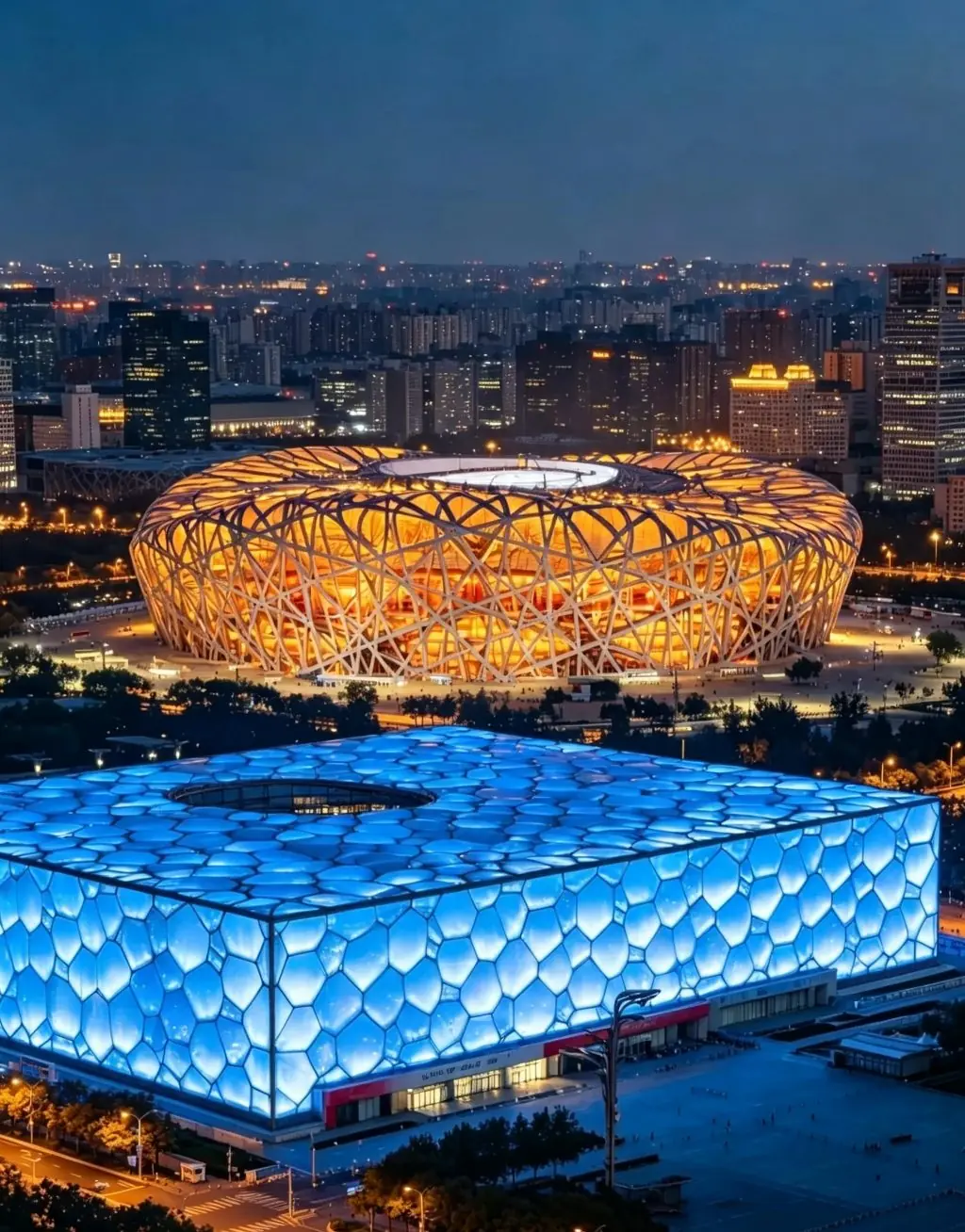
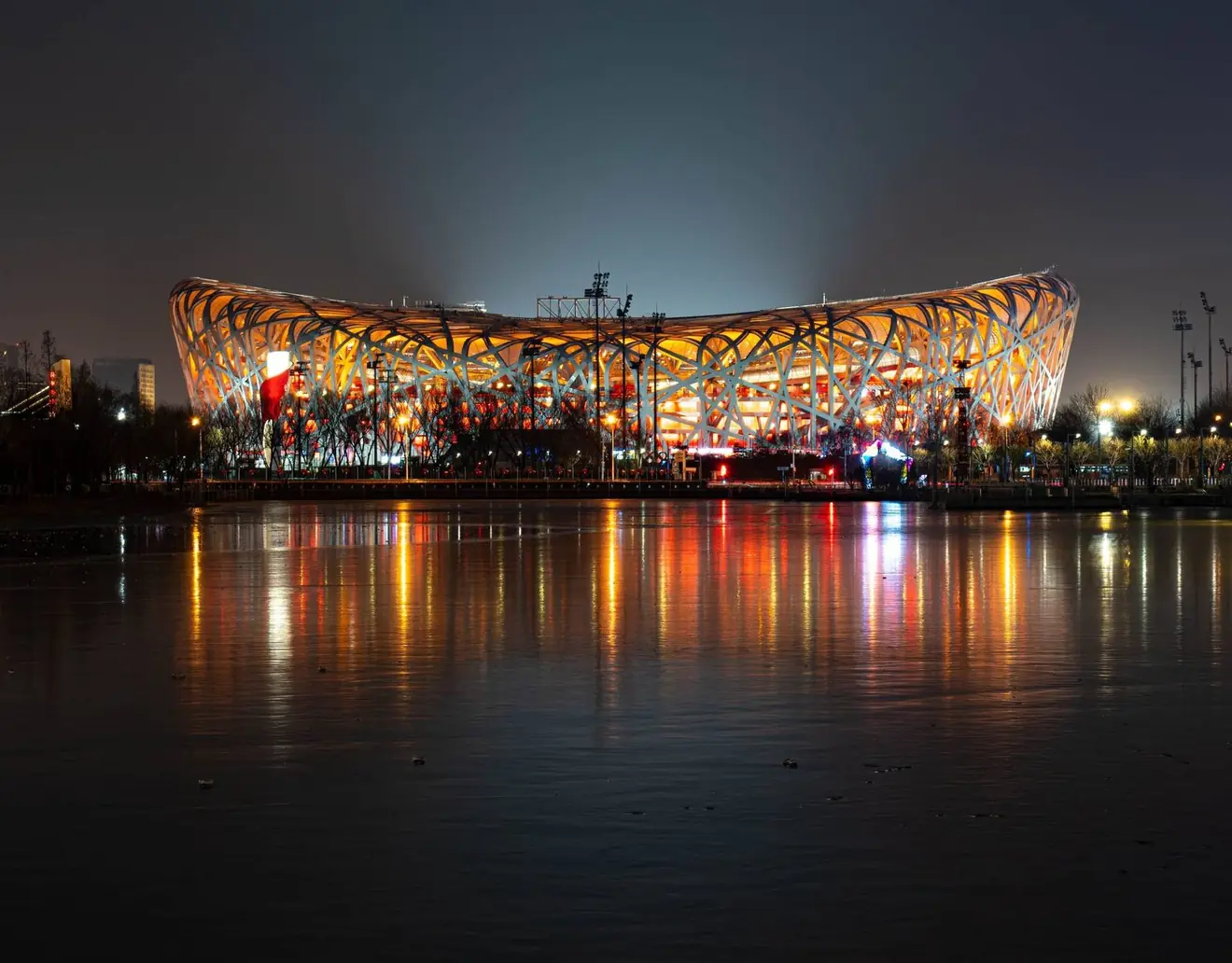
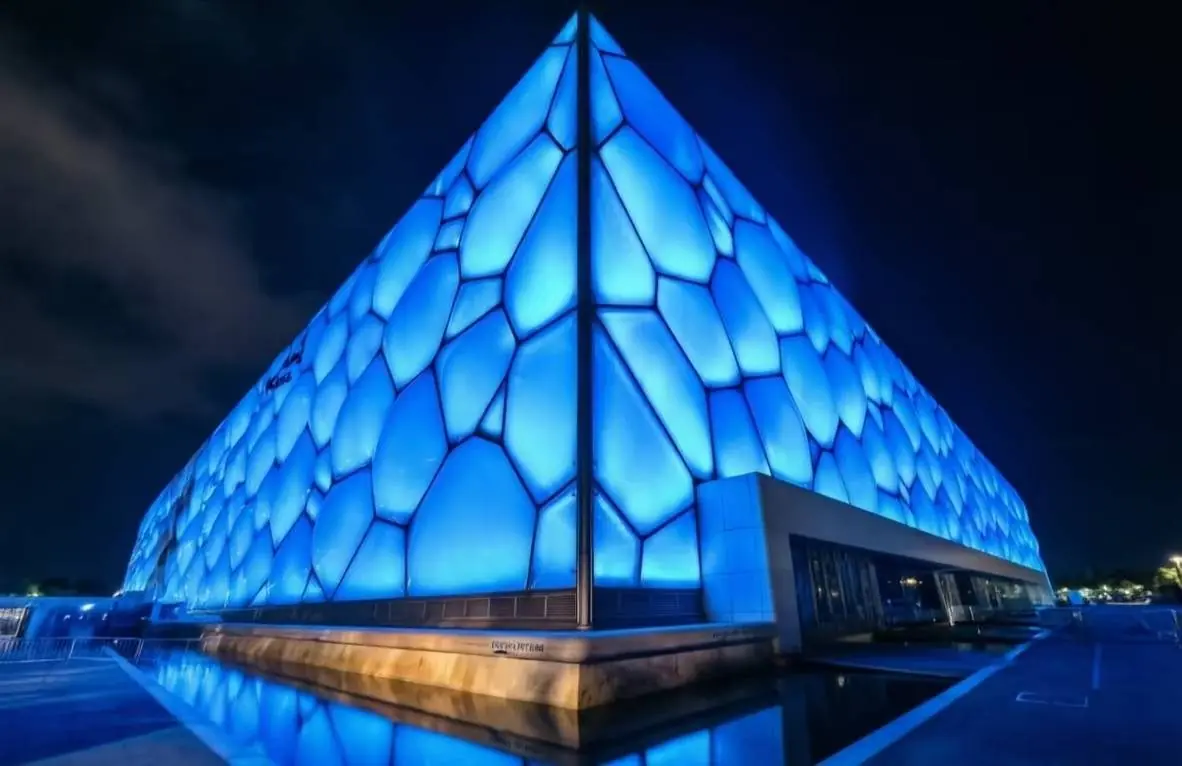
By day they are engineering; after dark they become the photograph. The Bird’s Nest glows warm gold, the Water Cube turns into a slab of breathing blue ice, and the plaza between them fills with people who came for exactly this. Sit on the axis and watch the lights come up one by one — it is the modern half of Beijing, and it earns its place on the itinerary.
| Time | Plan | Duration |
|---|---|---|
| 09:00 | Lama Temple — early is quieter; closed Mondays | 1.5–2h |
| 11:00 | Lama Temple → Ditan. On foot: west gate to Ditan via Beixinqiao and Andingmen Inner Street, about 1.3 km | 15–20 min |
| 11:15 | Ditan Park, ginkgo avenue | 1–1.5h |
| 12:30 | Lunch near Ditan or in the Olympic Park | ~1h |
| 13:30 | Ditan → Olympic Forest Park. Metro: Line 2 / 5 to Line 8, get off at Forest Park South Gate (森林公园南门), ¥4–6 | 30–35 min |
| 14:05 | Olympic Forest Park, walk the lakeside loop in the south park | 2–3h |
| 16:30 | Olympic Forest Park → Bird’s Nest. Metro: Line 8, one stop to Olympic Park (奥林匹克公园), then ~10 min on foot | 20–30 min |
| 16:40 | Bird’s Nest and Water Cube — exterior or inside | 1–2h |
The Lama Temple closes on Mondays (except public holidays). Ditan, Olympic Forest Park and the stadium exteriors all stay open, so a Monday version of this route is possible — just start at Ditan. Total: 9–10 hours.
Route 4: the Great Wall from Beijing — Mutianyu or Badaling
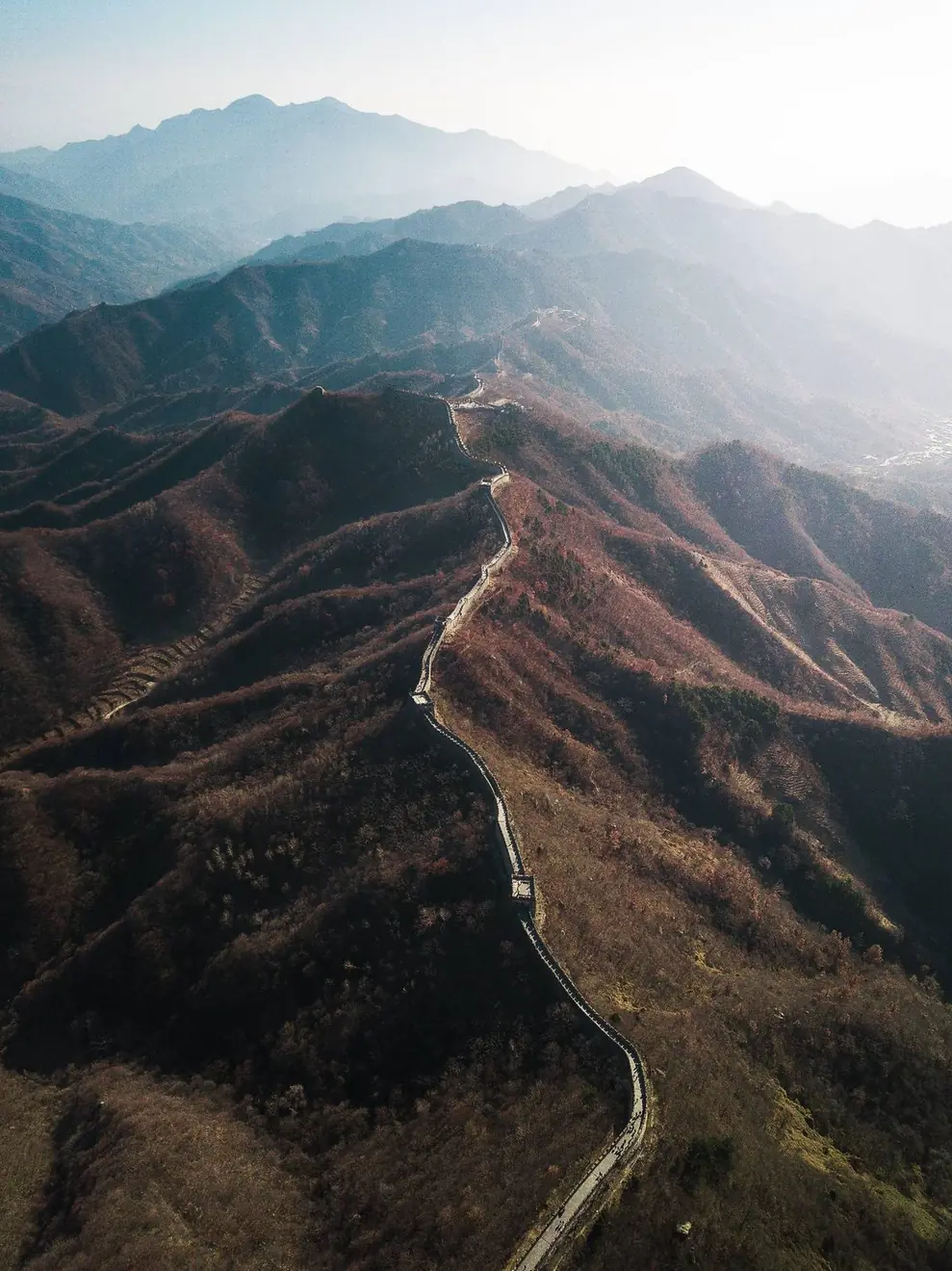
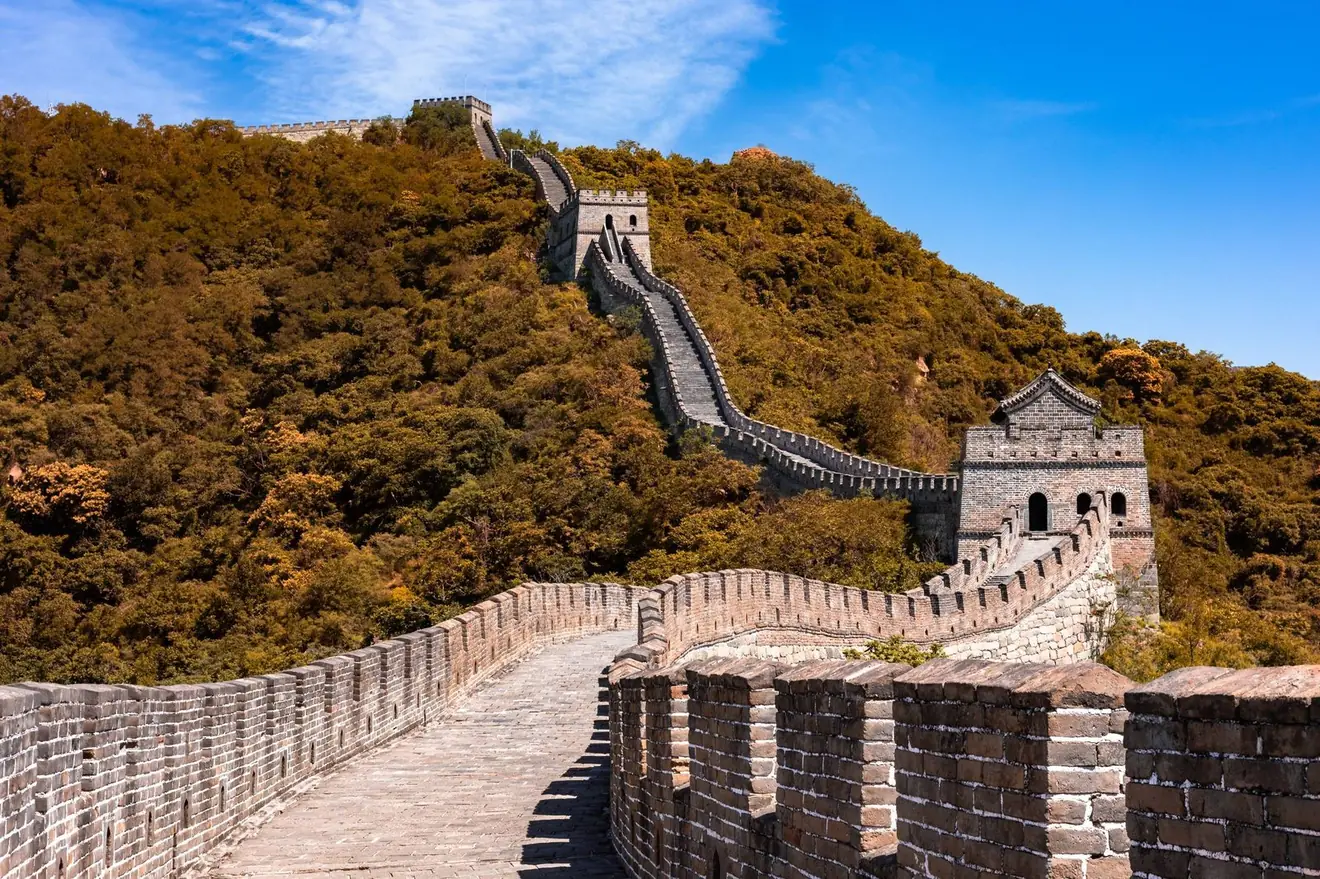
Autumn is the season to climb it. The ridges turn red and yellow, the wall rides up and down over them, and every step lands in a thousand years of view. You only need one section — Mutianyu if you want fewer people and better photographs, Badaling if you want the classic stretch and the easiest transport.
Both are open year-round, including Mondays, and both need tickets booked in advance under your real name.
Plan A: Mutianyu (慕田峪)
If you only climb one stretch of wall, make it this one. Well restored, densely wooded, and quiet enough to hear your own footsteps between the towers. The watchtowers step up the ridge one after another, and from the top the mountains roll out to the horizon in full autumn colour.
Direct bus from Dongzhimen (东直门), Exit B1 — the simplest way there. Return ¥60–80 (≈$8.3–11.1) including the shuttle, about 1.5 hours each way, no reservation needed.
| Time | Plan | Duration |
|---|---|---|
| 07:00 | City → Mutianyu. Direct bus: Mubus or Zanbus, meet at Dongzhimen Exit B1. Return ¥60–80 including shuttle (Mubus around ¥80) | 1.5h each way |
| 08:30 | Climb — gentle steps, towers close together. Cable car up and toboggan down cost extra and may not both run; check on the day | 4–5h incl. lunch |
| 13:30 | Return on the same bus | 1.5h |
| 15:00 | Back in the city | — |
| Operator | Outbound | Return | Price |
|---|---|---|---|
| Mubus (慕巴士) | 08:00 / 10:00 / 13:00 | 14:30 / 16:30 | ¥80 return, ¥40 one-way |
| Zanbus (赞巴士) | 08:00 / 09:00 / 10:00 | 15:00 / 16:00 / 17:00 | ¥60–70 return |
Buses leave when full; each way is about 1.5 hours. Confirm the day’s departures with the operator.
Plan B: Badaling (八达岭)
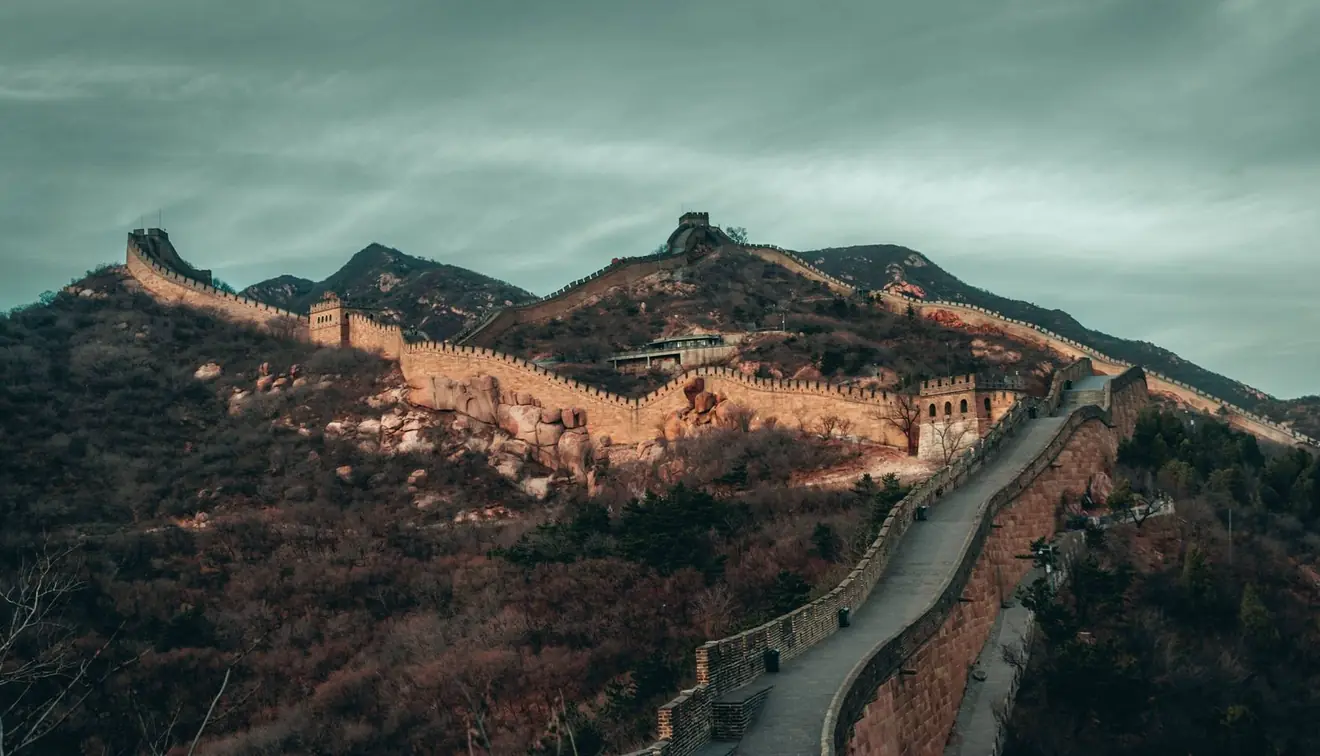
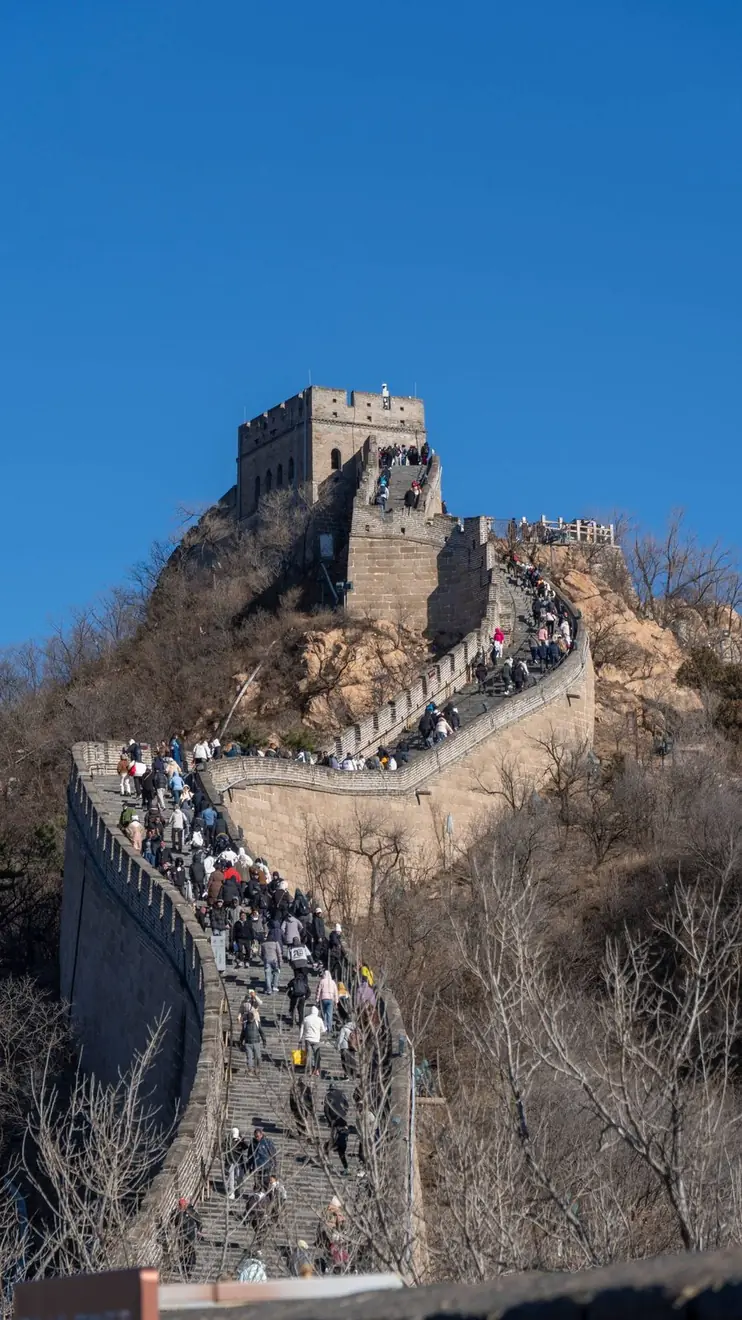
The famous one — the section the phrase “you’re not a hero until you’ve climbed the Great Wall” comes from. Steeper, busier, and more impressive for it. Climb to the North Eighth Tower (北八楼) and watch the wall pour over the mountains; take the cable car if your legs are already tired from the other four routes.
| Time | Plan | Duration |
|---|---|---|
| 07:30 | Hotel → Beijing North (西直门) or Qinghe (清河) station by metro, ¥3–5 | 30–45 min |
| 08:30 | High-speed train: Beijing North or Qinghe → Badaling Great Wall station, from about ¥20, booked ahead | 20–35 min |
| 08:30 | Or bus 877 from Deshengmen (德胜门): ¥12 cash or ¥6 with a transit card | 1–1.5h |
| 09:10 | Badaling — North Eighth Tower and the “hero” stele, South Fourth Tower viewpoint. Steep: pace yourself | 4–5h incl. lunch |
| 14:00 | Return by train, bus 877 or car | ~1h |
Trains from Qinghe (清河) to Badaling Great Wall station — roughly six a day, more at weekends. Second / first / business class ¥23 / ¥37 / ¥70.
| Train | Departs Qinghe | Arrives Badaling |
|---|---|---|
| G2501 | 07:00 | 07:19 |
| G7873 | 08:38 | 08:57 |
| G2485 | 12:48 | 13:07 |
| G2429 | 14:11 | 14:30 |
| G8815 | 14:43 | 15:02 |
| G2431 | 16:25 | 16:44 |
| G2439 | 18:18 | 18:37 |
Beijing North also runs G8813 (11:35 → 12:09, ¥29 second class). Check 12306 for the day you travel.
Bus 877, Deshengmen → Badaling — ¥12 cash, ¥6 with a transit card, about 1.5 hours, leaves when full.
| Direction | 1 Apr–15 Nov | 16 Nov–31 Mar |
|---|---|---|
| Deshengmen outbound | 06:00–12:30 | 06:30–12:30 |
| Badaling return | 10:30–17:00 | 11:00–16:30 |
The wall is windy, exposed and stepped. Bring water, a windproof layer and proper shoes; buy your ticket under your real name in advance. Total for the day: 8–10 hours, whichever section you pick.
Route 5: a hutong day — Beiluoguxiang, Guozijian and Longfusi
Give a whole day to the lanes. Coffee in a grey-walled alley, wind under an old archway, sunset from a rooftop in a converted temple — this is Beijing at its most relaxed, and the route to take when your legs have had enough of stairs.
Beiluoguxiang (北锣鼓巷)
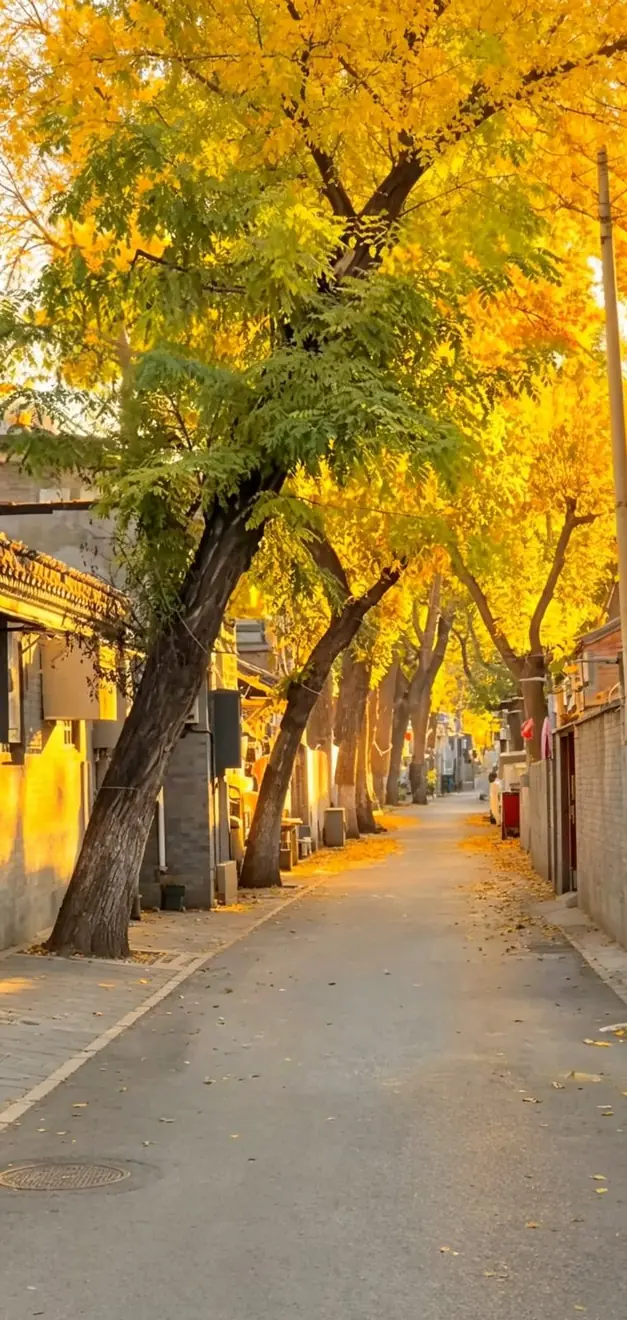
The antidote to Nanluoguxiang’s crowds. Grey walls, narrow lanes, small design shops, coffee drifting out of doorways and the smell of somebody’s lunch coming from the courtyard next door. There is nothing you have to see. Walk, and let the city happen: a cat in a patch of sun, two men playing chess on a stool.
Confucius Temple and Guozijian (孔庙和国子监博物馆)
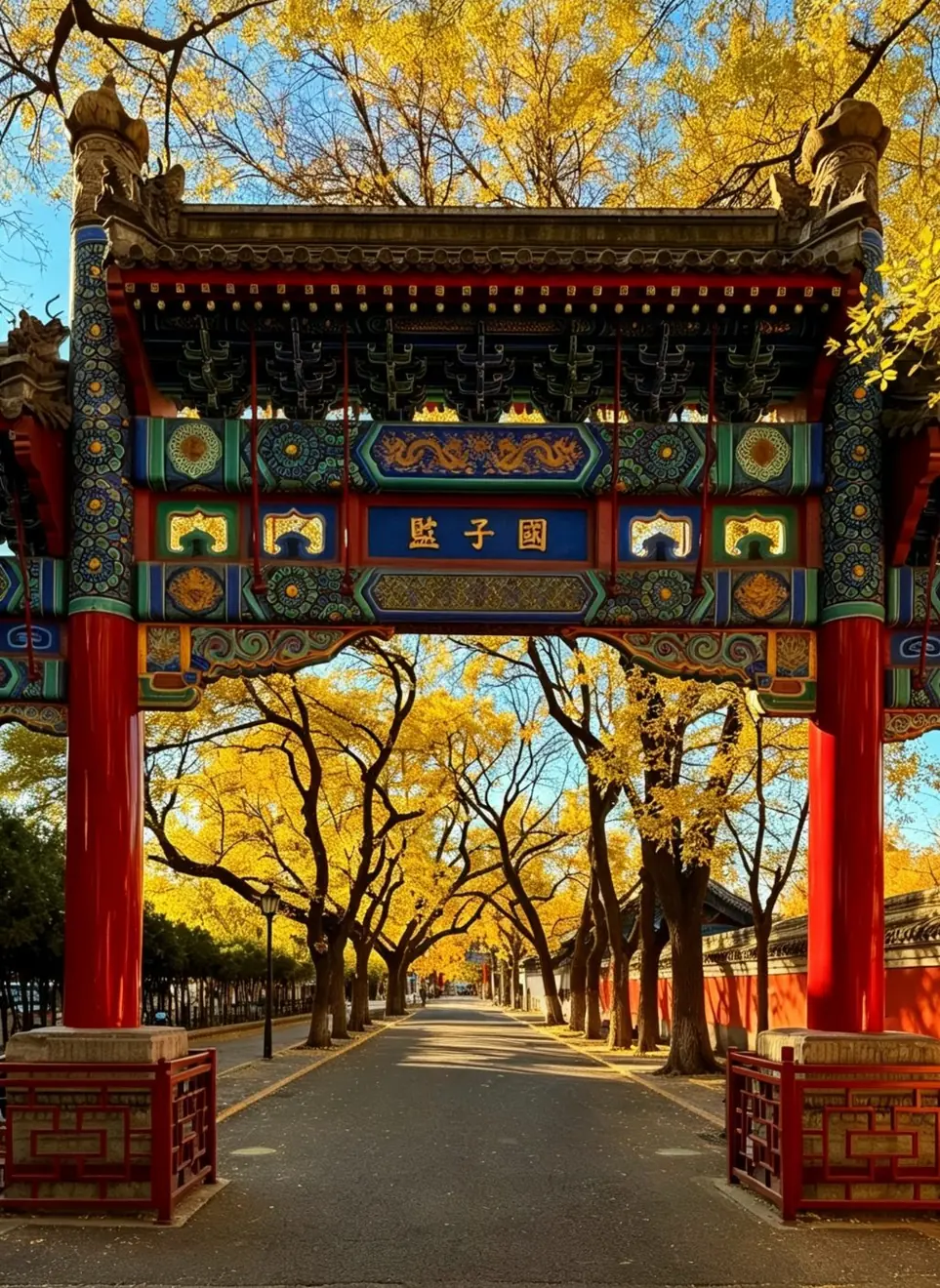
The imperial college for the Yuan, Ming and Qing dynasties — so quiet you can hear leaves land. Under the painted archway, ancient locust trees sift the light into coins, and it is easy to imagine several hundred years of recitation in the courtyards. Of all the sights in Beijing, this is the one that rewards walking slowly and saying nothing.
Longfusi (隆福寺)
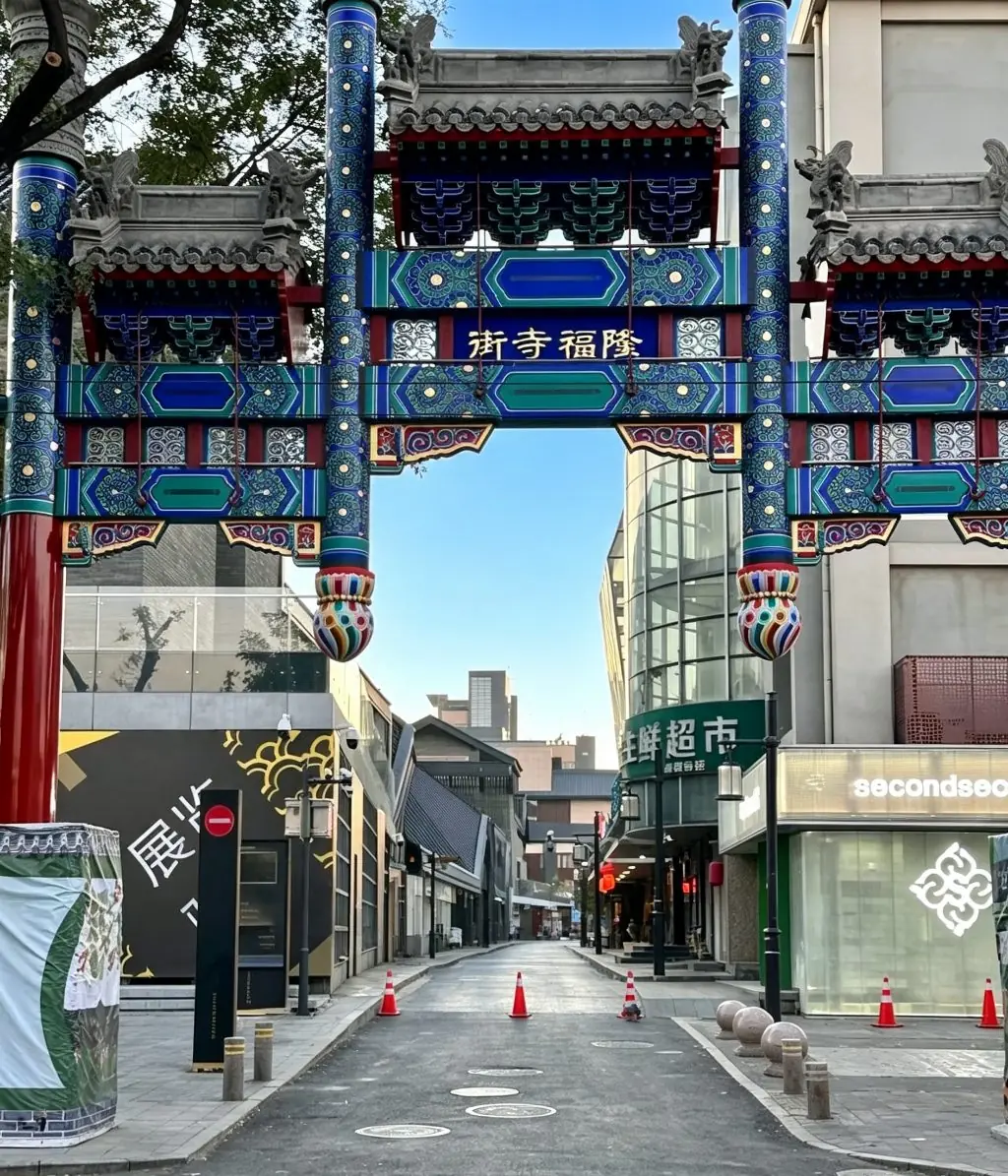
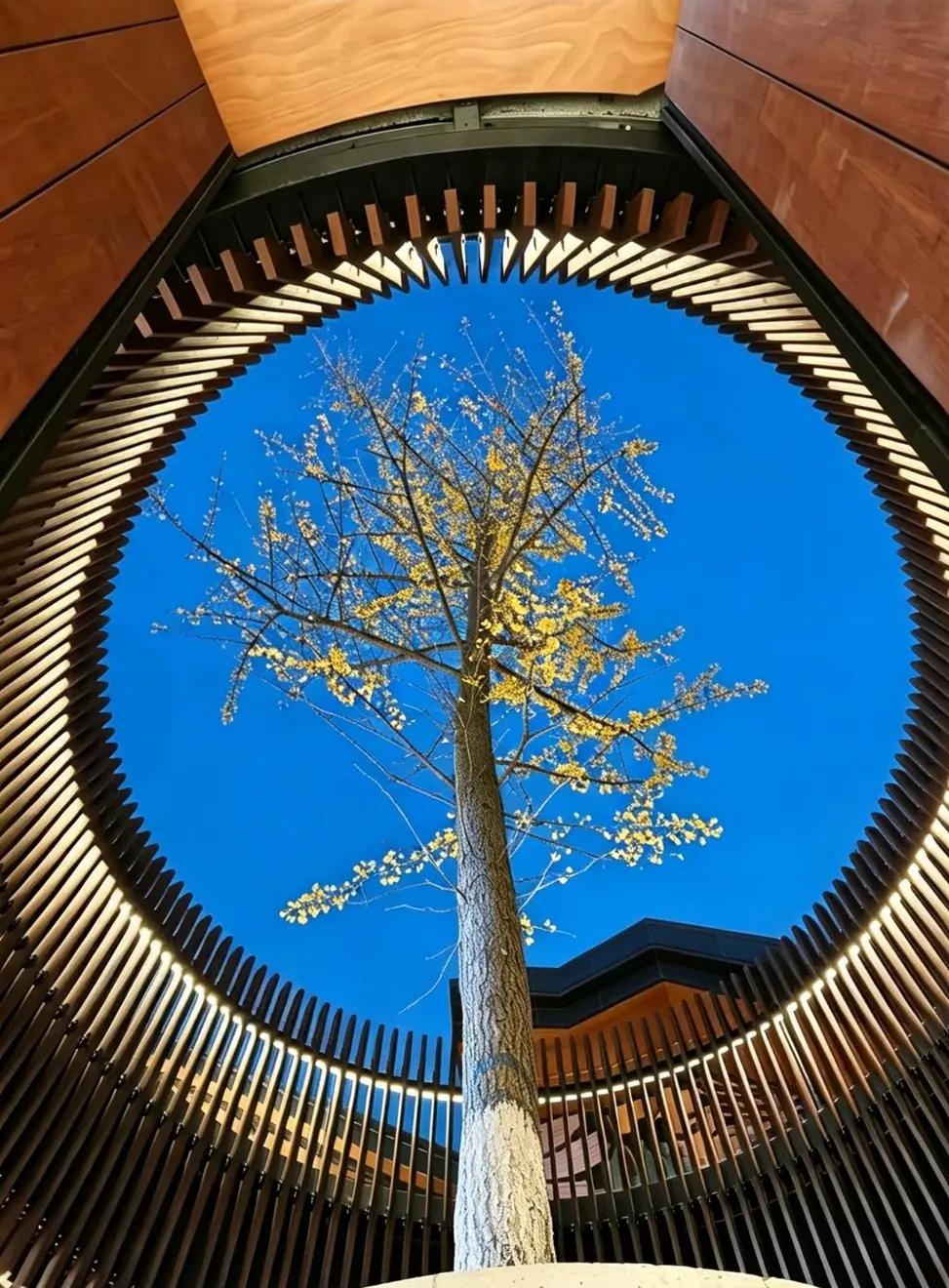
An old temple turned creative quarter: bookshops, galleries, small exhibitions filling the upper floors of old buildings, and a rooftop terrace looking out over an ocean of grey tiled roofs. Go up an hour before sunset and stay for it.
| Time | Plan | Duration |
|---|---|---|
| 10:00 | Beiluoguxiang — coffee, small shops, lanes | 1–1.5h |
| 11:30 | Beiluoguxiang → Guozijian. Metro: to Andingmen (安定门) on Line 2, then walk | 20–25 min |
| 11:40 | Confucius Temple and Guozijian Museum (closed Mondays) | 1–1.5h |
| 13:00 | Lunch around Guozijian or Wudaoying | ~1h |
| 14:00 | Guozijian → Longfusi. Metro: to Dongsi (东四) on Line 5 | 15–20 min |
| 14:10 | Longfusi — shops, exhibitions, rooftop terrace | 1.5–2h |
| 16:10 | Walk or ride on to Wangfujing and Dongsi, or head back to the hotel | ~30 min |
The Confucius Temple and Imperial College Museum closes every Monday, year-round. Beiluoguxiang and Longfusi stay open. Total: 6–7 hours — the easiest day here, and the easiest one to trim or stretch.
Tickets at a glance: prices, booking and opening hours
Every venue on the five routes, with what it costs and how to book. Prices and hours shift by season and by year — confirm on the official channel before you travel.
| Place | Booking | Hours | Price | Where to book |
|---|---|---|---|---|
| Palace Museum (故宫) | Required — released 7 days ahead at 20:00 | 8:30–17:00 peak (last entry 16:00) / 8:30–16:30 off-season (15:30); closed Mon | ¥60 peak, ¥40 off-season; Treasure and Clock galleries ¥10 each | Palace Museum WeChat mini-program |
| Jingshan Park (景山) | Required | 6:30–20:00 peak / 6:30–19:00 off-season; heritage halls closed Mon | ¥2 | 畅游公园 WeChat account |
| Beihai Park (北海) | Required | 6:00–21:00 peak (last entry 20:30) / 6:30–20:00 off-season (19:30) | ¥10 gate, ¥20 combo peak; ¥5 / ¥15 off-season | 畅游公园 WeChat account |
| Botanical Garden North (国家植物园北园) | Required | 6:00–21:00 (last entry 20:00); conservatory 9:00–17:00, closed Mon | ¥5 gate; ¥50 combo with conservatory | Official booking platform |
| Fragrant Hills (香山) | Required | 6:00–18:30 peak / 6:00–18:00 off-season | ¥10 peak, ¥5 off-season | 畅游公园 WeChat account |
| Lama Temple (雍和宫) | Required | 9:00–17:00 (last entry 16:30) spring–autumn; 9:00–16:30 winter; closed Mon | ¥25 | Lama Temple WeChat account |
| Ditan Park (地坛) | Required | 6:00–21:30 peak / 6:00–21:00 Nov–Apr (last entry 20:30) | ¥2 | 畅游公园 WeChat account |
| Olympic Forest Park (奥森) | Not required | 6:00–21:00, until 22:00 peak season | Free | Walk in |
| Bird’s Nest (鸟巢) | Required inside; exterior free | 10:00–22:00 (last ticket 21:00) | ¥100 | Official site |
| Water Cube (水立方) | Required inside; exterior free | 10:30–21:00 (tickets to 19:50) | ¥30 | Official site |
| Mutianyu (慕田峪) | Required, book ahead | 7:30–18:00 peak (18:30 weekends) / 8:00–17:30 off-season | ¥45 adult, ¥25 student/senior; shuttle ¥15 return | Official site or bus operator |
| Badaling (八达岭) | Required, real name | 6:30–16:30 peak (last entry 16:30) / 7:30–16:00 off-season | ¥40 peak, ¥35 off-season; free under 18 and over 60 | Official site or 12306 |
| Beiluoguxiang (北锣鼓巷) | Not required | Street open all day; shops around 10:00–22:00 | Free | — |
| Confucius Temple & Guozijian (国子监) | Required | 9:00–17:00 (last entry 16:30); closed Mon | ¥30 combined | Museum WeChat account |
| Longfusi (隆福寺) | Not required | Around 10:00–22:00 | Free; some exhibitions and venues charged | — |
How to book tickets without a Chinese phone number
This one question decides whether the trip runs smoothly, so here is the whole thing in plain order.
- Work out what actually needs booking. Only four things are genuinely hard: the Palace Museum, Mutianyu, Badaling and the Confucius Temple museum. Parks are bookable but rarely sell out, and the Olympic Park and hutong districts need nothing at all.
- Palace Museum: set an alarm for 20:00, seven days out. Tickets release at that moment, Beijing time, and autumn weekends go in minutes. You need the name and passport number exactly as printed. There is no ticket window to fall back on.
- Everything else: the venue’s official WeChat account. Search the name, follow, pick a date, enter your passport number. Payment runs through WeChat Pay, so add your card to it before you try.
- No WeChat Pay? Use a reseller. Trip.com and Klook sell the same timed entries with a foreign card, sometimes with a small booking fee. You still enter on your passport; nothing about the visit changes.
- Or ask your hotel. Beijing front desks book park tickets and shows for guests as routine — the lowest-effort option, and it works even if your phone is not set up yet.
Almost every sight in Beijing is now real-name: you book with the passport number and scan the physical passport at the gate. Carry it every day — a photo on your phone usually will not get you through.
What a day in Beijing costs
Beijing is cheaper than most first-timers budget for, and the gap between lean and comfortable is mostly the bed.
| Item | Lean | Comfortable |
|---|---|---|
| Bed (hostel dorm / mid-range hotel) | ¥100–180 | ¥300–600 |
| Three meals (street food and hutong noodles / sit-down restaurants) | ¥50–90 | ¥120–250 |
| Metro and the odd DiDi | ¥15–30 | ¥40–90 |
| Tickets | ¥20–60 | ¥60–150 |
| Day total, excluding flights | ≈¥200–400 ($28–56) | ≈¥600–1,100 ($83–153) |
Two things bend the numbers: Peking duck for two runs ¥200–400, and a car to Mutianyu and back costs more than the wall ticket itself. Neither is compulsory. Card acceptance is improving, but everyday payment still runs on Alipay and WeChat Pay — see currency and cash.
Before you go: money, data and bookings
Before you fly: confirm your visa or visa-free eligibility, install the apps you will actually use, pack a universal adapter (China runs Type A and Type I sockets at 220V) and a power bank, and put a pack of tissues in your day bag — many public toilets still do not stock paper. The pre-trip checklist runs the whole list in order.
Budget: ¥600–1,200 (≈$83–167) per person per day for a comfortable trip, excluding flights — the cost table above breaks it down line by line.
Cash: carry ¥200–500 (≈$28–70) in small notes. Hutong stalls, temple donation boxes, roadside snacks and the odd taxi still prefer it. Everything else goes on Alipay or WeChat Pay — set both up with your card linked before you arrive, then read our guides to Alipay and WeChat Pay.
Getting around: the metro is cheap, fast and signed in English; use the QR code inside Alipay at the gates, or buy a Yikatong (一卡通) card. For navigation, use Amap (高德) rather than Google Maps — our maps guide walks through the setup, and metro covers the ticketing quirks.
Booking: everything runs on real-name WeChat slots — the booking walkthrough covers the two cases that actually trip people up.
Snacks for the day: bring water and something to eat. Food inside scenic areas is expensive and limited, and on the Great Wall or at Fragrant Hills there is nothing at all on the ridge.
Do you need to speak Chinese in Beijing?
No — but you do need a working phone.
The metro is signed in English and pinyin, the airport is signed in English throughout, and every major sight has an English name over the gate. Hotels in Dongcheng and Chaoyang check you in in English. Where it gets thin is everything small: the noodle shop with a handwritten menu, the driver who wants an address, the park machine that only speaks WeChat.
Three habits close the gap:
- Screenshot your hotel’s Chinese address and set it as your lock screen for the trip. It solves taxis, DiDi and the where-are-you-staying conversation in one move.
- Install a translation app with camera mode before you fly. Point it at a menu and eat.
- Learn five words. nǐ hǎo (hello), xièxie (thank you), duōshǎo qián (how much), bú yào là (not spicy), xǐshǒujiān zài nǎlǐ (where is the toilet). Nothing else is required, but those five change how people answer you.
If you want the deeper version — tipping, queueing, the small etiquette that keeps a day from turning awkward — read culture and etiquette.
What to eat in Beijing
Peking duck (北京烤鸭) is the headline — Quanjude (全聚德) and Da Dong (大董) both need a reservation, and both are worth one dinner. Below that: zhajiangmian (炸酱面), the noodle-and-bean-paste bowl that hutong shops do best and cheapest; dumplings anywhere; jianbing (煎饼) for breakfast; and douzhi (豆汁), the fermented mung bean drink that locals love and visitors mostly do not. Try it once.
For a different evening, head to Niujie (牛街) in Xicheng — Beijing’s halal food street. Jubaoyuan (聚宝源) for hand-cut lamb hotpot (expect a queue, take a number), plus beef pancakes, ludagun, aiwowo, baodu and roast lamb from the stalls along the road. Metro Line 19 to Niujie, or Line 7 to Guang’anmennei.
More in our Beijing food guide.
What to wear in October and November
October and November swing hard between day and night. Dress in layers — breathable base, warm middle, windproof shell — and add a fleece or a thin down jacket for the Great Wall and any early start. Comfortable, grippy shoes matter more than anything else in your suitcase: the Forbidden City is a 10 km walk and the wall is all steps.
Full seasonal detail, including the rest of the year, is in the best time to visit China.
What we would skip
Four things that appear on every Beijing list and rarely earn the hours:
- Wangfujing snack street. A performance, not a meal — the scorpion skewers exist for photographs. Eat at Niujie or in a hutong noodle shop instead.
- Nanluoguxiang’s main lane on a weekend. Shoulder to shoulder, and the shops are identical to every other tourist street in China. Beiluoguxiang, ten minutes north, has the same architecture and a tenth of the crowd.
- Badaling on a Saturday in October. The wall is not going anywhere; the queue is. Take Mutianyu, or take Badaling on a Tuesday morning.
- Any Great Wall tour that bundles a jade factory and a “tea ceremony”. Those stops are commission shops. Take the direct bus or the train and keep the day for the wall.
None of this is a rule. It is just where we would spend the hours instead.
Where to go next
Beijing is the natural first stop on a rail loop. Xi’an is 4.5–6 hours south by high-speed train and the obvious second city — terracotta warriors, city walls, and the best noodles in the country. Shanghai is about 4.5 hours east. Chengdu, for pandas and Sichuan food, is a longer haul but doable overnight.
See high-speed trains in China for how booking works, and the Xi’an guide for the other end of the line.
FeelingChina is an independent, unofficial guide. Ticket prices, opening hours and foliage timing change with the season and the year — check each venue’s official account before you travel, and treat the timetables here as planning estimates rather than schedules.
Frequently asked questions
How many days do I need in Beijing?
When is the best time to see autumn colour in Beijing?
Mutianyu or Badaling?
Do I need to book Beijing attractions in advance?
What is closed in Beijing on Mondays?
Can I pay with a foreign credit card in Beijing?
Can you visit the Forbidden City without booking ahead?
How do I book Beijing tickets without a Chinese phone number or WeChat Pay?
How much does a day in Beijing cost?
Can I visit Beijing without speaking Chinese?
How do I get from Beijing to the Great Wall by train?
Last updated: 2026-10